 Skip to main content Skip to footer
Coastal homes face unique challenges that inland properties rarely experience. Constant humidity, salt-laden air, strong winds, and intense sun exposure can take a serious toll on building materials over time. Choosing the right window material plays a major role in protecting your home’s structure, comfort, and long-term value. Some materials struggle in coastal climates, while others are specifically suited to withstand these demanding conditions. In this blog, we’ll explore why vinyl windows perform exceptionally well in coastal environments and what makes them a smart choice for homes near the water.
Key Takeaways
- League City’s unique challenges include salty air, high humidity, intense sun, and tropical storms. Modern vinyl windows are engineered to handle these harsh weather conditions better than wood windows or standard aluminum windows.
- Quality vinyl frames paired with insulated, Low-E glass can significantly improve energy efficiency in League City’s hot, humid climate and help lower utility bills.
- Vinyl is naturally resistant to corrosion and low maintenance, making it well-suited for the Gulf Coast’s salty environment for many years.
- Homeowners can pair vinyl frames with hurricane impact-resistant glass for added protection from Gulf storms and flying debris.
- Properly installed vinyl windows can also make a home feel up to about 30% quieter, helpful in busy or high-traffic parts of League City.
League City’s Coastal Climate: What Your Windows Are Up Against
Living in League City means enjoying the unique beauty of being nestled between Houston and Galveston Bay. But it also means your home faces some of the most demanding weather in Texas. Year-round high humidity often exceeds 80%, salty breezes roll in from the Gulf of Mexico, and storm season brings a mix of heavy rainfall and strong winds that can wreak havoc on homes that aren’t prepared.
The salt air along the Gulf Coast does more than just give that distinctive coastal smell; it accelerates corrosion on metal frames and hardware. Standard aluminum frames can show visible pitting and degradation over time, while traditional wood windows tend to swell, warp, and eventually rot when exposed to constant moisture and frequent rain.
Then there’s the heat. League City’s combination of strong sun, temperatures pushing into the mid-90s, and that thick Gulf humidity creates a cooling challenge that runs from April through October. If your windows are poorly insulated or drafty, your air conditioning works overtime, and your energy bills climb right along with the thermometer.
Tropical storms and hurricane seasons add another layer of stress. The winds and flying debris during severe storms test your windows’ structural integrity and weather sealing like nothing else. Post-storm assessments have shown that homes with quality windows suffer significantly less interior damage from wind-driven rain.
The bottom line? Any replacement windows for League City must balance durability and energy efficiency with resistance to moisture and corrosion.
Why Vinyl Window Frames Excel in League City
When it comes to window materials that can stand up to coastal environments, vinyl has become the go-to choice, and for good reason. Unlike wood windows that require constant maintenance or standard aluminum windows that struggle with salt exposure, top-quality vinyl windows are engineered specifically for conditions like ours here on the Texas coast. Understanding the difference between vinyl vs. wood windows for Houston homes helps highlight why vinyl consistently outperforms wood in humid coastal conditions.
| Feature | Vinyl Windows | Wood Windows | Standard Aluminum |
| Moisture Resistance | Excellent | Poor (swells/rots) | Moderate |
| Salt Air Resistance | Excellent | Poor | Poor (corrodes) |
| Thermal Performance | Good | Good | Poor |
| Maintenance Needs | Very Low | High | Moderate |
| Lifespan in Coastal Areas | 30-50 years | 10-20 years* | 15-25 years* |
Without extensive maintenance
Vinyl doesn’t rot, swell, or peel in humid, rainy weather, which pretty much describes League City from spring through late fall. The non-porous structure of quality vinyl formulations means moisture simply doesn’t penetrate the way it does with wood.
When it comes to that salty air blowing in from Galveston Bay, vinyl’s natural properties shine. Industry testing shows that vinyl frames can endure over 10,000 hours of salt spray exposure without degradation, while many aluminum frames start showing problems at around 2,000 hours.
Vinyl also offers naturally good thermal performance, helping limit heat transfer through the frame itself. This supports overall energy efficiency, something that really matters when your AC runs six or seven months out of the year.
Perhaps best of all for busy homeowners: vinyl is genuinely low maintenance. No regular painting, scraping, or special coatings needed. Just occasional cleaning with mild soap and water keeps your frames looking fresh for decades.
Energy Efficiency in Texas Heat and Humidity
League City’s long cooling season makes energy-efficient windows more than just a nice-to-have; they’re a practical necessity. When you’re running your air conditioning from April through October, every bit of heat you keep out translates directly to lower energy costs. Many homeowners benefit from addressing common misconceptions about vinyl windows when evaluating heat resistance and long-term thermal performance.
Modern vinyl windows achieve their impressive energy performance through several working parts:
- Insulated Glass Units: Double- or triple-pane glass creates dead air space that dramatically reduces heat transfer. When paired with quality vinyl frames, these units help keep cool air inside where it belongs.
- Low-E Coatings: These thin metallic oxide layers are applied to the glass during manufacturing. Low E coatings reflect 70-80% of infrared heat while still allowing 60-70% of visible natural light to pass through. This means your rooms stay bright without the solar heat gain that makes your AC work harder.
- Gas Fills and Warm-Edge Spacers: Argon gas between the panes insulates better than regular air, while warm-edge spacers reduce heat transfer at the glass edges and help prevent condensation.
The real-world impact? ENERGY STAR-rated vinyl windows can reduce cooling costs by 10-25% in hot-humid zones like ours. For a typical League City home averaging $2,500 in annual utility bills, that could mean saving $250-625 every year. Over the 30-50 year lifespan of quality vinyl windows, those savings add up considerably.
Beyond the numbers, you’ll notice the difference in indoor temperatures. Your home stays more comfortable with fewer hot spots near windows, and your HVAC system doesn’t cycle as often. That’s easier on your equipment and your wallet.
Durability, Storm Performance, and Impact-Resistant Options
Gulf storms put windows to the test like nothing else. When tropical storms and hurricanes roll through, they expose weak points in your home’s envelope, and windows are often the most vulnerable points. Wind pressure, wind-driven rain, and flying debris can turn an ordinary storm into a catastrophe if your windows fail.
Strong vinyl frames, when properly reinforced, can be paired with impact-resistant glass packages designed to handle hard and strong hurricane winds. These aren’t your basic builder-grade windows. Reinforced frames and fusion-welded corners (achieved by heating the vinyl and mechanically pressing joints) eliminate the leak-prone fasteners that can fail under pressure.
What makes impact glass different from regular windows? Multiple layers of glass are bonded with special interlayers that hold everything together, even if the glass cracks. This helps protect your home from dangerous shards and prevents a complete breach during severe storms.
Key storm-ready features to look for:
- Fusion-welded vinyl corners (no mechanical fasteners at joints)
- Quality weatherstripping rated for high-pressure differentials
- Hurricane impact-resistant glass meeting coastal certification standards
- Reinforced frames designed for wind loads
It’s worth noting that these features deliver value beyond storm season. Your windows maintain their structural integrity year-round, keeping weather-tight seals that support energy efficiency, whether it’s August heat or a rare January cold snap.
Noise Reduction and Everyday Comfort
League City has its share of busy streets, active neighborhoods, and commercial areas. If you live near FM 518 or in a developing subdivision with ongoing construction, you know how outside noise can intrude on your peace and quiet.
Here’s something many homeowners don’t expect: modern vinyl windows with insulated glass and tight seals can typically make a home feel around 30% quieter in everyday conditions. That’s a noticeable difference when you’re trying to sleep, work from home, or simply relax without hearing every passing truck or barking dog.
This noise reduction comes from the same construction that makes these windows energy efficient:
- Multi-pane insulated glass breaks up sound waves
- Tight seals eliminate gaps where noise sneaks through
- Solid vinyl frames don’t transmit vibrations like thinner materials
The result? Easier sleep, more enjoyable living spaces, and front rooms that actually feel peaceful even when facing busy streets. Many homeowners find this everyday comfort benefit just as valuable as the energy savings.
Best Vinyl Window Styles for League City Homes
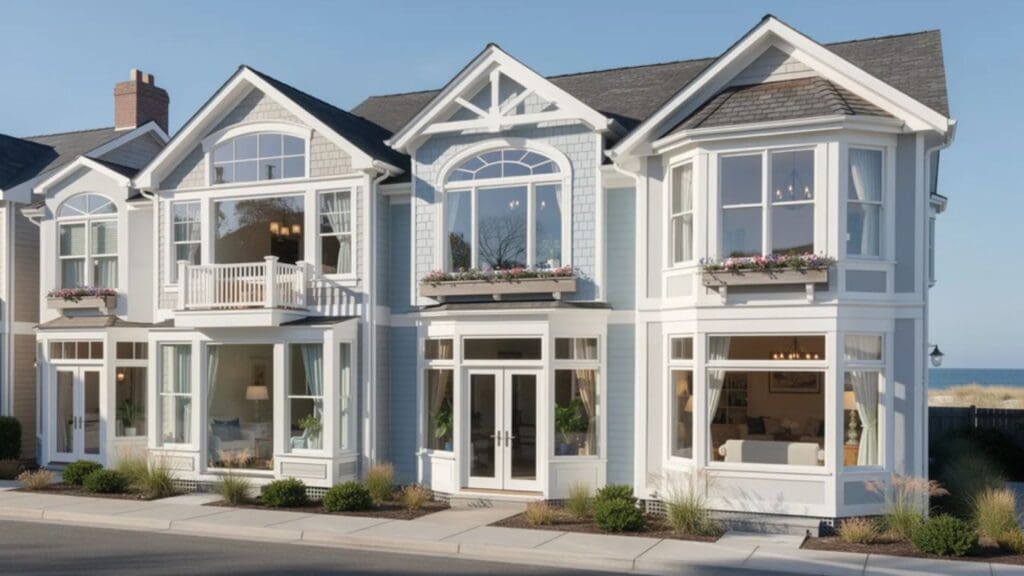
The right window styles can improve weather performance, ease of use, and curb appeal for League City’s varied neighborhoods, from newer subdivisions to established communities with their own architectural character. Selecting options becomes easier when choosing the right style of vinyl windows for your home is part of the overall upgrade plan.
Here’s a quick guide to common vinyl window types and when they work best:
- Single Hung Windows: Feature a fixed top sash with an operable lower sash. These are economical, straightforward, and work well in most applications. Their simpler mechanism means fewer moving parts to maintain.
- Double Hung Windows: Both sashes move, making them easier to clean from inside. Double hung windows are popular throughout League City for their versatility and classic aesthetic appeal.
- Casement Windows: Hinged on the side and cranked open, casement windows create an exceptionally tight seal when closed. They’re ideal for wind-prone exposures because the pressure actually helps press them tighter against the frame during high winds.
- Sliding Windows: Open horizontally, making them perfect for patios, decks, or areas with limited exterior clearance. They’re also a great option for wide openings with Bay views.
- Picture Windows: Fixed, non-opening windows that maximize natural light and views with minimal air leakage points. Picture windows facing the bay paired with operable windows on sheltered sides offer the best of both worlds.
- Awning Windows: Hinged at the top, awning windows can stay open during light rain while keeping water out. They work well for ventilation in bathrooms or over kitchen sinks.
Modern vinyl frames come in various colors and grid patterns, so you can match League City’s architectural mix, whether that’s coordinating with a newer development’s clean lines or complementing an established home’s character. This flexibility in aesthetic appeal doesn’t compromise performance.
Installation, Custom Sizing, and Project Timing
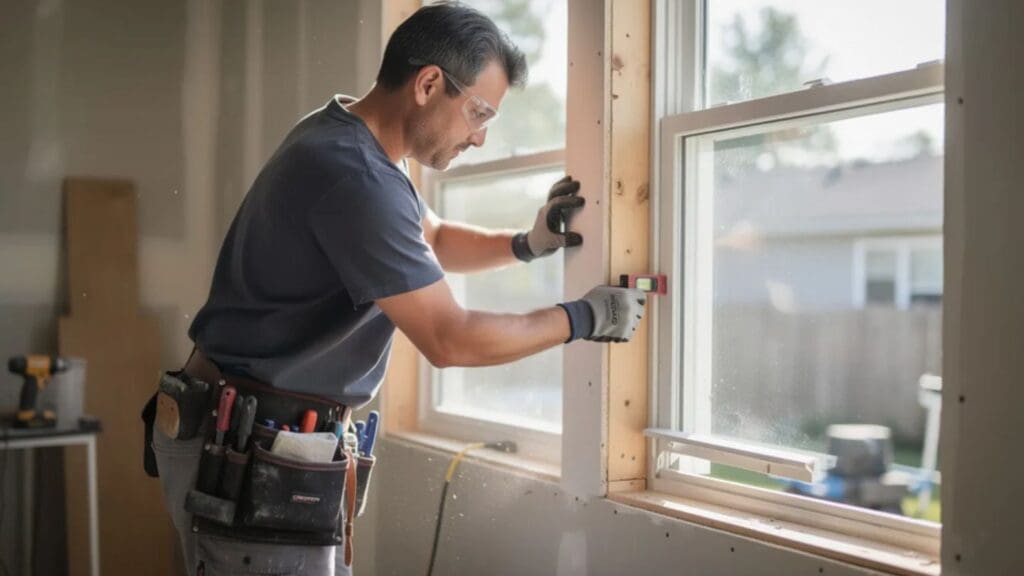
Professional window installation is critical on the Gulf Coast. Even the best windows won’t perform as rated if they’re not installed correctly. Proper fitting and sealing ensure your new windows stand up to wind, water, and heat the way they’re designed to. Planning for longevity often includes understanding how often vinyl windows need to be replaced in coastal environments.
Quality replacement windows are custom-sized for each opening in your home. This isn’t about convenience, it’s about performance. Custom sizing means:
- Tighter fits with fewer gaps
- Reduced drafts and air infiltration
- Better resistance to water intrusion during heavy rainfall
- Improved overall energy efficiency
What to expect with timing
Manufacturing for custom vinyl and hurricane impact-resistant units typically takes about 4-6 weeks after final measurements. Same-week replacement after ordering isn’t realistic for quality new replacement windows, and honestly, you wouldn’t want it to be. Rushing with stock units that don’t fit perfectly defeats the purpose of upgrading.
A typical project timeline looks like this:
- In-home consultation: Discussion of your needs, concerns, and options
- Detailed measurements: Precise sizing of each window opening
- Order and manufacturing: 4-6 weeks for custom production
- Scheduled installation: Usually completed in 1-2 days for an average home
This lead time ensures your new windows fit precisely and perform as expected for decades. If you’re planning around hurricane season or a major remodel, factor this timeline into your schedule.
Built to Handle Coastal Conditions
Living near the coast means choosing materials that can withstand humidity, salt air, high winds, and intense sun exposure. Vinyl windows offer durability, energy efficiency, and low maintenance that make them especially suited for League City’s demanding climate. When properly manufactured and installed, they provide long-term comfort, protection, and value for coastal homes.
Advanced Window Products delivers trusted expertise for every replacement vinyl window in League City, providing custom-built solutions designed for coastal performance and lasting efficiency. We offer hurricane windows, all replacement windows, energy-efficient windows, and professional window installation tailored to your home’s needs. Contact us today to schedule your consultation and let us help protect your home with the right window solution.
Frequently Asked Questions
Are vinyl windows really better than aluminum for League City?
For most League City homes, vinyl provides better insulation and resists salt-air corrosion more effectively than standard aluminum. While marine-grade aluminum exists, it transfers heat more easily. Vinyl typically delivers stronger long-term energy efficiency, durability, and lower maintenance in coastal climates.
Will vinyl windows warp or fade in Texas weather?
High-quality vinyl windows are engineered with UV inhibitors and color-stable compounds to handle intense Texas sun and heat. The color runs throughout the frame, reducing fading risks. Reputable manufacturers often back frame stability and color retention with long-term warranties.
Can I get hurricane impact-resistant glass with my vinyl windows?
Yes, many vinyl window systems offer hurricane impact-resistant glass designed for Gulf Coast conditions. These reinforced units withstand strong winds and flying debris better than many builder-grade windows, providing meaningful added protection for exposed coastal homes.
How long does it take from ordering vinyl windows to installation?
Custom vinyl windows typically require about four to six weeks for manufacturing after final measurements. Once delivered, installation for an average home usually takes one to two days, depending on the number of windows being replaced.
Are vinyl windows a good investment if I plan to sell my home?
Energy-efficient vinyl windows can boost curb appeal, reduce maintenance concerns, and attract buyers seeking lower utility costs. In coastal Texas markets, updated, storm-ready windows are often viewed as a great long-term improvement that enhances perceived home value.