 Skip to main content Skip to footer
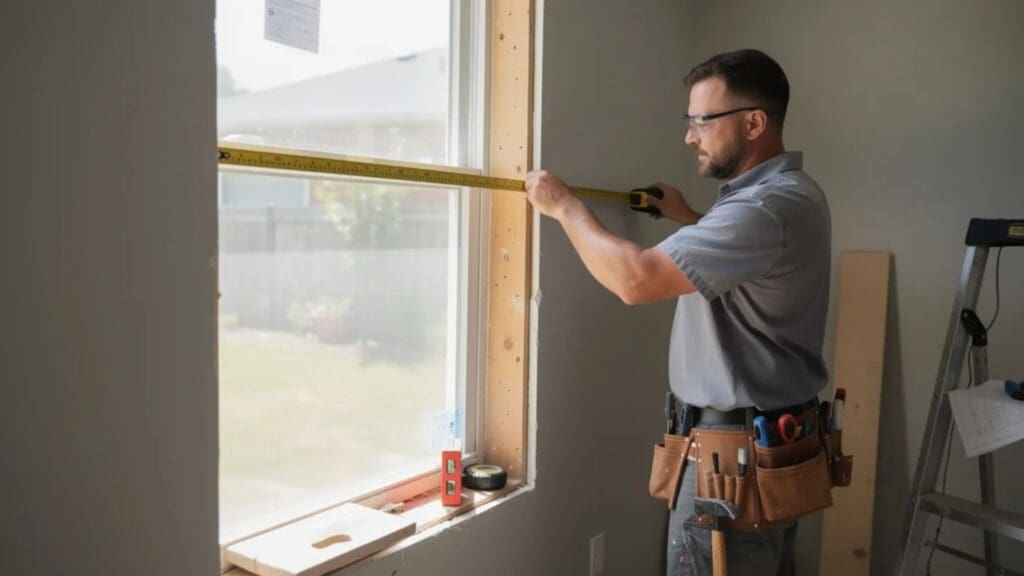
Upgrading your windows is a significant investment that impacts your home’s comfort, efficiency, and overall performance. One of the most critical yet often overlooked steps in the process happens long before installation day begins. Precise dimensions determine how well your new windows fit, seal, and function for years to come. Even small measuring errors can lead to drafts, water intrusion, and costly delays. In this blog, we’ll explain why precision during the measurement phase is essential and how it directly affects the success of your replacement project.
Key Takeaways
- Even a 1/4-inch measurement error can cause drafts, leaks, and costly re-orders on custom hurricane impact-resistant windows that take approximately 4–6 weeks to manufacture.
- Accurate window measurements directly affect energy efficiency, home comfort, noise reduction (around 30% quieter), and storm protection performance.
- Every window opening in your home is slightly different, even two windows in the same room or side by side, so each one must be measured individually.
- Proper measurements include width, height, frame depth, and squareness checks, not just a single quick measurement across the glass.
- Homeowners can measure for planning and budgeting, but final measurements should always be verified by a professional before placing a custom order.
What “Accurate” Really Means in Window Measurements
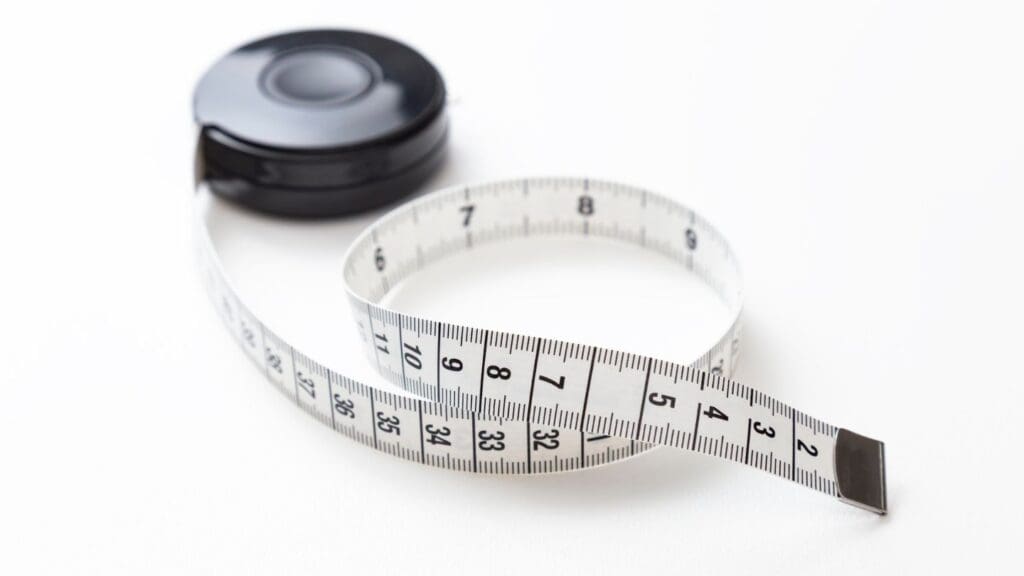
“Close enough” doesn’t cut it when ordering replacement windows that fit perfectly for your home. Accurate measurements for window openings typically need to be within 1/16 inch, not rounded to the nearest inch or even the nearest half inch. Recognizing measurement inconsistencies early often aligns with the top signs it’s time to replace your vinyl windows, especially when drafts and operational issues persist.
Accurate measuring involves more than one quick swipe across the glass. It includes:
- Width measurements at three points (top, middle, bottom)
- Height measurements at three points (left, center, right)
- Frame depth from interior trim to exterior stop
- Squareness checks using diagonal measurements
- Level verification to detect plumb issues
Professionals measure the actual window size by going jamb to jamb and head jamb to sill, ignoring decorative trim that can mislead inexperienced DIYers. That interior trim might look like part of the frame, but it’s not where your new windows will actually sit.
Here’s something many homeowners don’t realize: even two windows labeled as 36” x 60” in a 1998 home can have slightly different openings due to settling and original framing variations. Each window gets treated as a separate unit with its own precise measurements.
In tight-tolerance products like impact-resistant units and custom shapes, a 1/8–1/4 inch discrepancy can be the difference between a clean, foam-sealed installation and visible gaps or forced modifications.
Consequences of Poor or Inaccurate Window Measurements
Measurement mistakes might seem minor on paper, but they create real problems that affect your wallet, your comfort, and your project timeline. Even slight dimensional errors can affect alignment and finish details, influencing how window replacement can boost your home’s curb appeal. Here’s what can go wrong:
- Oversized windows won’t fit. If your measurements come in too large, the actual window size exceeds what the rough opening can accommodate. Forcing it in means cutting into framing or drywall, which can violate local building codes and compromise your home’s structure.
- Undersized windows create gaps. When replacement windows are too small, installers must use excessive shimming and foam to fill the space. This leads to weak support, poor weather seals, and increased risk of air leaks and water infiltration.
- Higher energy bills follow poor fits. Gaps around the window frame let conditioned air escape while outside air enters. In hot, humid climates, this means your HVAC system works overtime. Research suggests ill-fitted windows can contribute to 25-30% of residential air leakage, potentially adding $200-400 annually to your energy bills.
- Comfort and noise reduction suffer. A poorly fitted frame can undo much of the 30% noise reduction and energy efficiency gains homeowners expect from modern, dual-pane impact-resistant windows. Those gaps become pathways for sound, drafts, and temperature swings.
- Re-orders mean more waiting. Because our hurricane impact-resistant windows are custom-sized, incorrect measurements may mean paying restocking or reordering costs and waiting another 4–6 weeks for a corrected unit to be manufactured.
- Aesthetic appeal takes a hit. Uneven reveals, crooked lines against existing trim, and sashes that don’t align with adjacent windows all hurt curb appeal and resale value. When your windows are installed, the whole home looks off.
| Measurement Error | Potential Consequence |
| 1/8” is too small | Gaps requiring extra foam, potential air leaks |
| 1/4” too large | Won’t fit without frame modifications |
| 1/2” discrepancy | Major installation delays, possible re-order |
| Out-of-square opening missed | Binding sashes, difficult operation |
| Depth measured incorrectly | The window sits proud or recessed from the wall. |
How Accurate Measurements Support Energy Efficiency, Comfort, and Storm Protection
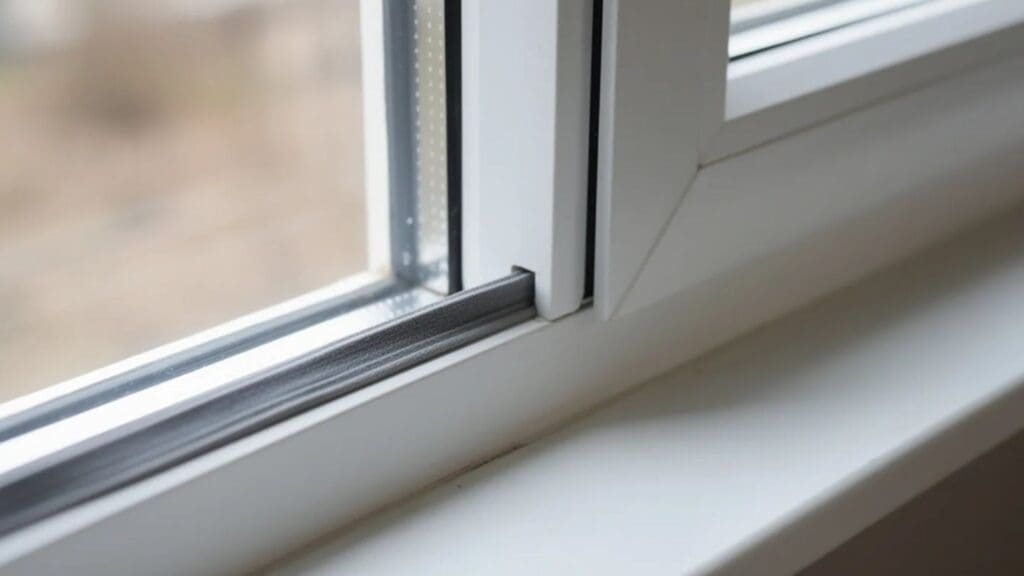
When you accurately measure your windows and have them installed correctly, every performance benefit you’re paying for actually works as intended. Lower utility bills, quieter rooms, better protection from strong winds and wind-driven rain, all of these depend on getting the fit right.
Properly sized frames allow continuous weatherstripping and insulation foam around the entire window perimeter. This eliminates the drafts that force your HVAC system to work harder, helping maintain consistent temperatures throughout your home. Studies show that precise installations can boost whole-home efficiency by around 15% through improved seals alone.
Hurricane impact-resistant windows work as a complete system: reinforced frames, laminated glass, and secure anchoring into the opening all rely on the unit being sized exactly for that specific opening. When there’s no room for error in manufacturing, there’s no room for error in measuring.
While these windows make your home about 30% quieter day to day, reducing traffic noise, lawn equipment, and those loud neighbors, this benefit depends on eliminating gaps where sound can leak in. A flawless fit means the acoustic benefits actually reach your living spaces. When windows are measured and installed correctly, it’s clear how window replacement can transform your living space through improved comfort and functionality.
We avoid claiming any window is “hurricane proof,” but correctly measured and installed hurricane impact-resistant windows are designed to withstand hard, strong winds better than many original builder-grade windows. The reinforced glass and frames can handle impacts that would shatter standard windows, but only when the entire window sits securely in a properly prepared opening.
Tight, accurate fits also reduce the chance of:
- Rattling during wind events
- Air whistles through gaps
- Difficult sash operation over time
- Thermal expansion issues in larger units like 3-lite sliders or picture windows
Key Measurement Areas Homeowners Often Overlook
Most DIY measurement errors don’t come from getting the main width and height wrong. They come from small details around the opening and frame that inexperienced measurers simply don’t think about. Understanding sizing, frame depth, and opening conditions is a key part of any comprehensive homeowner’s guide to replacement windows.
- Frame depth matters more than you think. Many homeowners forget to measure the depth between the interior and exterior stops. This measurement affects whether a new frame or impact-resistant unit will sit flush with interior walls. Get it wrong, and you’re looking at trim modifications or an awkward fit.
- Squareness isn’t guaranteed. To check for squareness, measure diagonally from corner to corner in both directions. If your diagonal measurements differ by more than about 1/4 inch, you may have structural issues or settling that require adjustments or professional help. About 40% of pre-1980 homes have out-of-square openings.
- Interior obstructions create clearance problems. Deep window stools, blinds, security sensors, or thick interior trim can all interfere with replacement frames or interior stops if not accounted for during the measurement process. Note anything within a few inches of the window area.
- Still, conditions affect installation. Sloped versus flat sills, water damage, or rot can all affect how the new window should be sized and supported to maintain proper drainage and long-term performance. A compromised sill needs repair before any measurements are finalized.
- Old home quirks compound errors. In older homes (pre-1990 construction, especially), plaster thickness and out-of-square openings are common. Never simply copy dimensions from an existing window label; what’s written there may not reflect the actual size of your rough opening after decades of settling.
Our Measurement and Replacement Process: From First Visit to Final Installation
We’ve built measurement accuracy into every step of our replacement process because we know how much rides on getting it right. Precise sizing plays a central role in the ultimate guide to vinyl replacement windows for your home, where fit and performance go hand in hand. Here’s how a typical project flows:
Initial Consultation
During our first visit, we review your goals, whether that’s energy savings, noise reduction, storm protection, or refreshing your home’s exterior appearance. We examine your existing frame conditions, room by room, and take preliminary measurements to develop your quote.
Detailed Measurement Appointment
Before placing any order, our technician returns to record the exact dimensions for every opening:
- Width at top, middle, and bottom (using the smallest measurement)
- Height at left, center, and right (using the smallest measurement)
- Frame depth from interior edge to exterior stop
- Diagonal measurements to confirm squareness
- Level checks for plumb
- Documentation of any framing or sill repairs needed
We also note window style preferences and any special considerations like deep sills or existing hardware.
Custom Manufacturing
Once measurements are confirmed, we submit them for custom manufacturing of your impact-resistant windows. The expected lead time is approximately 4–6 weeks before installation, these aren’t stock windows, so we take recording measurements seriously.
Installation Day
When your windows arrive, our crew re-checks each opening before setting anything. We make small on-site adjustments as needed to ensure units are plumb, level, and square. Shims, foam, and proper anchoring all work together to achieve that perfect fit.
Final Inspection
After installation, we walk through the project with you. We check that every window operates smoothly, seals are complete, and finish work meets your expectations. You should see immediate improvements: cleaner sight lines, smoother operation, and noticeably less outside noise. This is what a successful window installation looks like.
Precision Sets the Foundation for Long-Term Performance
Accurate window measurements are the foundation of a successful replacement project. Even small miscalculations can affect fit, sealing, energy efficiency, and overall durability. When measurements are taken carefully and professionally, homeowners avoid costly delays, drafts, and performance issues while ensuring their new windows deliver the comfort and protection they expect.
Advanced Window Products specializes in precise window replacement in League City, ensuring every unit is custom-measured for a secure, long-lasting fit. We provide hurricane windows, all replacement windows, energy-efficient windows, and expert window installation designed for lasting performance in coastal conditions. Contact us today to schedule your consultation and move forward with confidence.
Frequently Asked Questions
How precise do my window measurements need to be for replacement windows?
For planning, measurements to the nearest 1/8 inch are helpful for estimates. However, final order measurements should be confirmed professionally to the nearest 1/16 inch. Even small errors can affect fit, sealing, structural integrity, and long-term performance of custom units.
Can I just measure the existing glass instead of the whole window opening?
Measuring only the glass or sash won’t provide accurate replacement dimensions. The full frame, jambs, and structural opening determine proper sizing. Professionals measure jamb to jamb and sill to head to ensure the new window fits securely and performs correctly.
Do I need to remove the interior trim to get accurate measurements?
Interior trim removal isn’t always required for initial estimates, but it may be necessary for precise rough opening measurements. Since trim isn’t structural, professionals may remove sections carefully to confirm dimensions and assess framing conditions before ordering custom windows.
How long will I have to wait if my measurements are wrong and a window has to be reordered?
If measurements are incorrect, custom replacement windows typically require another 4–6 weeks for manufacturing, plus installation rescheduling. This delay can extend your project timeline and potentially increase costs, making professional measurement essential from the start.
Will accurately measured replacement windows really make my home quieter and more efficient?
Yes. Properly measured and installed windows eliminate gaps and drafts, improving insulation and reducing outside noise. Many homeowners experience noticeable comfort improvements and sound reduction, often around 30% quieter, when replacing older, poorly fitted units with accurately sized replacements.