 Skip to main content Skip to footer
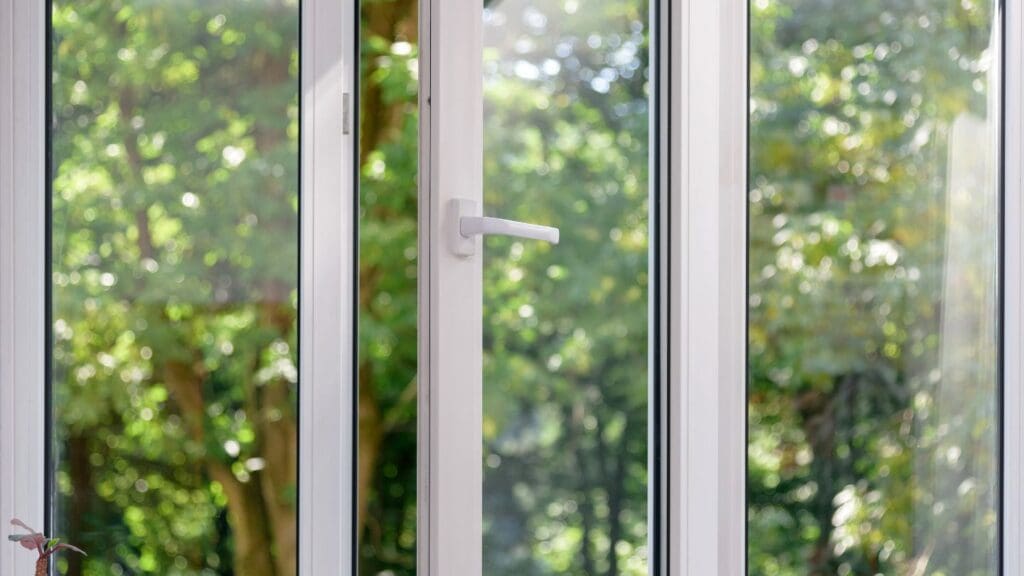
Choosing between vinyl and aluminum windows is one of the most important decisions homeowners face when upgrading their properties. Each material offers unique advantages in durability, energy efficiency, maintenance, and long-term value. In this blog, we break down the key differences that matter most, from cost and insulation performance to lifespan and climate suitability, so you can make an informed choice based on your home’s needs. Whether you’re focused on cutting energy bills, improving comfort, or enhancing structural strength, understanding how these materials compare will help you select windows that deliver the best performance and return on investment.
Key Takeaways
- Vinyl windows typically cost 30% less upfront ($100-900 per unit) compared to aluminum windows ($75-400 per unit), with better long-term energy savings that can reduce energy bills by up to 20%
- Aluminum windows offer superior strength and durability for large installations, but require more maintenance and provide less insulation than vinyl windows without thermal breaks
- Vinyl windows can last 35-40 years with minimal upkeep, while aluminum windows typically last 20-25 years but need regular maintenance, including specialized cleaning and potential refinishing
Understanding Window Frame Materials
When it comes time to replace your home’s windows, you’ll quickly discover that vinyl and aluminum windows dominate today’s market over traditional wood options. These modern materials offer distinct advantages that have made them the go-to choice for homeowners seeking durability, energy efficiency, and value.
Vinyl window frames are constructed from polyvinyl chloride (PVC), a rigid plastic material that’s been engineered specifically for building applications. The PVC material used in windows is unplasticized, meaning it maintains its structural integrity without becoming flexible. During manufacturing, the polyvinyl chloride is mixed with UV stabilizers, impact modifiers, and pigments before being extruded into hollow, multi-chamber profiles that provide excellent insulation properties.
Aluminum window frames, on the other hand, are crafted from extruded aluminum alloys that are lightweight yet incredibly strong. The aluminum frames typically receive a powder coated finish or anodized treatment that provides corrosion resistance and color options. Unlike vinyl, aluminum is a metal that naturally conducts heat, which affects its thermal performance unless modified with thermal breaks—insulating spacers within the frame that interrupt the heat transfer path.
The fundamental difference between these two window materials lies in their molecular structure. Vinyl’s plastic composition makes it an excellent natural insulator, while aluminum’s metallic structure makes it highly conductive. This basic property difference influences everything from energy efficiency to condensation resistance, shaping how each material performs in your home.
Cost Analysis and Investment Comparison
Comparing vinyl and aluminum windows financially means focusing on lifetime value rather than sticker price. Vinyl usually delivers stronger returns for typical homeowners because its performance reduces ownership costs over decades. Its insulating nature lowers heat transfer, helping stabilize indoor temperatures and trimming energy use year-round. Those utility savings accumulate steadily, especially in climates with hot summers or cold winters, and can often shorten the payback period.
At resale, buyers often favor vinyl for comfort and efficiency, so replacement projects tend to recover a share of their investment. Aluminum can still make sense in specific cases, particularly where codes demand impact-rated systems or where homeowners prioritize slimmer frames and structural strength. Yet achieving competitive efficiency with aluminum requires advanced thermal breaks and higher-grade finishes, which pushes total project expense upward.
Location matters and oastal regions often require specialized impact products and installers with hurricane-zone experience, raising project complexity for either material.
Energy Efficiency and Insulation Performance
Vinyl windows offer exceptional energy efficiency due to their inherent thermal barrier properties. The same material construction throughout the frame means there are no thermal bridges to conduct heat, and the multi-chamber design creates additional air pockets that further reduce heat transfer. Homeowners focused on lowering utility costs often look into unlocking the potential of vinyl windows for energy-efficient homes, as the design of modern vinyl systems directly contributes to more stable indoor temperatures.
Aluminum window frames, being metal, naturally conduct heat unless specifically engineered to prevent it. Standard aluminum windows can be significant sources of heat loss in winter and heat gain in summer, potentially increasing energy bills substantially. However, modern aluminum windows incorporate thermal breaks—insulating barriers made from materials like vinyl or polyamide that interrupt the conductive path through the frame.
The ENERGY STAR program recognizes windows that can deliver approximately 12% annual energy savings compared to non-qualifying windows. Vinyl windows generally achieve these qualifications more easily due to their natural insulating properties, while aluminum windows must incorporate sophisticated thermal break systems to reach similar performance levels.
In practical terms, homeowners with high-quality vinyl windows often notice more consistent indoor temperatures and reduced drafts near windows. The superior insulating properties mean less work for HVAC systems, which translates to lower energy bills and improved comfort throughout the year.
Durability and Lifespan Expectations
Vinyl windows boast impressive longevity, typically lasting 35–40 years with proper installation and minimal maintenance. The PVC material doesn’t rust, rot, or corrode, making it particularly well-suited for harsh weather conditions. Homeowners keeping an eye on the top signs it’s time to replace their vinyl windows often notice changes in energy performance or difficulty operating older units, prompting upgrades to newer, more durable systems.
Aluminum windows generally have a shorter typical lifespan of 20-25 years, though high-quality aluminum windows with proper maintenance can last longer. The aluminum itself doesn’t degrade, but the protective finishes and sealing components require regular attention to maintain performance. In coastal environments with salty air, aluminum windows may face accelerated corrosion if not properly maintained with special aluminum cleaner and protective treatments.
Strength and Structural Performance
The structural integrity differences between these materials become particularly important for certain applications. Aluminum windows offer 4-11 times greater strength than vinyl, making them ideal for large window installations where structural integrity is paramount.
This strength advantage makes aluminum windows the preferred choice for oversized windows, commercial applications, and areas prone to severe weather conditions. Aluminum impact windows are commonly used in hurricane-prone regions because the material’s inherent strength allows it to withstand extreme weather and flying debris better than most alternatives.
Vinyl windows, while not as strong as aluminum, still provide adequate structural performance for typical residential applications. The multi-chamber design and potential for steel reinforcement in larger units help vinyl window frames maintain their shape and function even under normal structural loads. However, extreme heat can cause vinyl to expand and potentially warp, particularly in very hot climates or with dark-colored frames.
Maintenance Requirements and Long-term Care
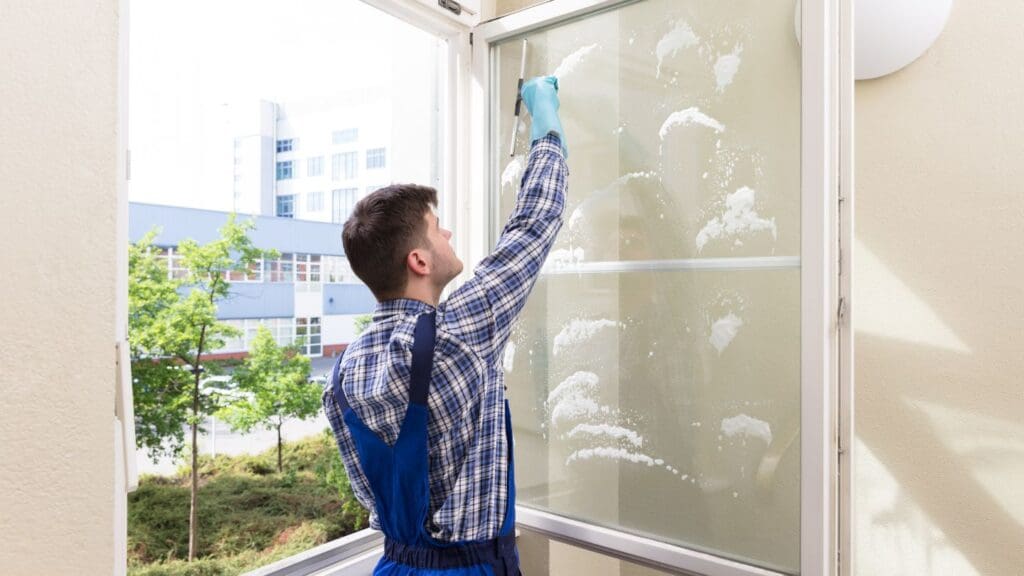
Vinyl windows are virtually maintenance-free, requiring only occasional cleaning with mild soap and water. This low-maintenance nature also eliminates many of the worries associated with older vinyl window designs. Much of this confidence comes from addressing common misconceptions about vinyl windows, as many homeowners are surprised to learn how significantly modern vinyl formulations have advanced in durability and UV resistance.
The routine cleaning process for vinyl windows involves washing with ordinary household cleaners, avoiding abrasive materials that could scratch the surface. This minimal maintenance requirement makes vinyl windows particularly attractive for multi-story homes or hard-to-reach window locations.
Aluminum windows require more attention to maintain their appearance and performance. Regular cleaning with special aluminum cleaner helps prevent oxidation and maintains the finish quality. In coastal areas exposed to salty air, more frequent cleaning and inspection become necessary to prevent corrosion.
The powder-coated finishes on aluminum windows may require touch-up or refinishing over time, particularly in harsh environments. While aluminum can be repainted, proper surface preparation is essential for good adhesion and corrosion prevention. Some manufacturers recommend annual inspection and lubrication of moving parts to ensure smooth operation.
Manufacturer’s warranty coverage often reflects these maintenance differences. Vinyl windows frequently come with longer warranty periods that require minimal maintenance compliance, while aluminum window warranties may specify regular care requirements to maintain coverage.
Aesthetic Options and Design Flexibility
The visual appeal and design flexibility of window frames significantly influence home appearance and architectural compatibility. Both vinyl and aluminum windows offer customization options, but their aesthetic characteristics suit different design preferences and home styles.
Vinyl windows have evolved far beyond the basic white frames of early generations. Modern vinyl offers a vast range of colors, wood-grain textures, and finishes that can complement virtually any home’s architectural style. The color options include both subtle neutrals and bolder choices, though darker colors may absorb more heat in sunny climates.
Contemporary architectural styles often favor the clean lines and slim profiles that aluminum windows provide. The inherent strength of aluminum allows for thinner frame profiles, maximizing the glass area and creating the sleek, modern aesthetic that today’s architects and homeowners desire. This modern aesthetic works particularly well in contemporary homes with large expanses of glass.
Aluminum windows offer distinct advantages in customization options, particularly for unusual sizes or configurations. The material’s strength allows for larger window units without the typically thicker frame sections required by vinyl. Custom colors through powder coating provide nearly limitless possibilities, including metallic finishes that aren’t achievable with vinyl.
Frame thickness represents a key aesthetic difference between the two materials. Vinyl windows are typically thicker due to the material’s lower strength, which can reduce the visible glass area and create a more substantial frame appearance. Some homeowners appreciate this traditional look, while others prefer aluminum’s slimmer profile.
Climate and Environmental Considerations

Geographic location and local climate conditions significantly influence the performance and suitability of vinyl or aluminum windows. Understanding how each material responds to environmental factors helps ensure optimal performance and longevity.
In humid climates, vinyl’s moisture resistance provides a significant advantage. The PVC material doesn’t absorb water or support mold growth, making it ideal for regions with high humidity or frequent precipitation. Vinyl windows maintain their structural integrity and appearance even with constant exposure to moisture.
Aluminum windows in humid environments require careful attention to prevent corrosion, particularly in coastal areas where salty air accelerates oxidation. While modern finishes provide good protection, any damage to the coating can allow corrosion to begin. Regular maintenance with proper care becomes essential in these environments.
Extreme temperature fluctuations affect both materials differently. Vinyl expands and contracts with temperature changes, which can stress joints and seals if not properly engineered. However, quality vinyl windows are designed to accommodate this movement without compromising performance.
UV resistance varies between the materials and their finishes. Modern vinyl formulations include UV stabilizers that prevent degradation and discoloration, though dark colors may still fade over extended exposure. Aluminum’s anodized or powder-coated finishes generally offer excellent UV resistance and color stability.
Installation Considerations and Professional Requirements
Proper installation is crucial for both vinyl and aluminum windows, but each material presents unique considerations that affect the installation process, costs, and long-term performance.
Professional window installation is strongly recommended for both materials to ensure proper sealing, structural integrity, and warranty compliance. The installation process involves precise measurement, careful removal of existing windows, proper flashing and sealing, and accurate alignment of the new units.
Weight considerations favor aluminum windows in some installation scenarios. Aluminum’s lighter weight makes large units easier to handle during installation, though this advantage is offset by the need for careful handling to prevent damage to finishes or frames.
Vinyl windows generally require more careful handling during installation due to their flexibility. Improper support during installation can cause the frames to rack or twist, leading to operational problems and air infiltration. Professional installation ensures proper shimming and support throughout the process.
The installation timeline for both materials is generally similar, with most residential projects completing in one to two days, depending on the number of windows being replaced. Weather conditions can affect installation scheduling, particularly for larger projects where interior protection becomes important.
Sealing and weatherproofing techniques are critical for both materials, but may differ in specific approaches. Aluminum windows often require special attention to thermal break continuity and condensation management, while vinyl installations focus on accommodating thermal movement while maintaining air and water seals.
Decision Factors: When to Choose Vinyl vs Aluminum
Making the right choice between vinyl and aluminum windows requires evaluating your specific priorities, budget, and circumstances. Understanding when each material excels helps ensure your investment delivers the performance and satisfaction you expect.
Budget considerations often favor vinyl windows for their combination of lower initial cost and superior energy efficiency. The energy efficiency vinyl windows provide can significantly reduce heating and cooling costs over time, making them an economically attractive choice for cost-conscious homeowners.
Energy efficiency priorities strongly favor vinyl windows in most residential applications. The natural thermal barrier properties of PVC material provide excellent insulation without additional engineering, making it easier to achieve energy-efficient performance that qualifies for utility rebates and ENERGY STAR recognition.
Best Applications for Vinyl Windows
Residential replacement projects represent the ideal use case for vinyl windows. Their affordability, efficiency, and low maintenance make them a popular choice for upgrading existing homes. Many homeowners in Texas also compare how vinyl stands up to traditional materials, and a comparative look at vinyl vs wood windows for homes often highlights vinyl’s advantages in resisting humidity, insects, and long-term warping.
Homes in moderate climates benefit particularly from vinyl’s thermal properties without facing the extreme conditions that might stress the material. The minimal maintenance requirements suit busy homeowners who prefer to spend time on activities other than window upkeep.
Traditional architectural styles often complement vinyl’s aesthetic options, particularly with the wood-grain textures and classic color options available in modern vinyl products. The typically thicker frame profile can enhance traditional proportions in historic or colonial-style homes.
Projects requiring budget consciousness without compromising quality find vinyl an ideal solution. The lower cost, combined with excellent performance, makes vinyl windows accessible to homeowners who want modern window technology without premium pricing.
Optimal Scenarios for Aluminum Windows
Large commercial or residential installations requiring maximum strength benefit from aluminum’s superior structural capabilities. The material’s ability to support oversized glass panels makes it essential for contemporary architectural styles emphasizing floor-to-ceiling windows and large glass walls.
Modern architectural designs often specify aluminum windows for their sleek profiles and contemporary appearance. The slim frames maximize natural light while providing the clean, minimalist aesthetic that contemporary architecture demands.
High-impact areas needing superior weather resistance, including coastal regions prone to severe weather conditions, often benefit from aluminum impact windows. The material’s inherent strength provides better protection against wind-borne debris and extreme weather events.
Projects where initial cost is less important than long-term durability may favor aluminum windows, particularly when professional maintenance programs can ensure proper care. The material’s recyclability also appeals to environmentally conscious projects prioritizing sustainable materials.
Final Thoughts
Vinyl and aluminum windows each bring real advantages, but the best choice depends on your priorities. Vinyl stands out for energy efficiency, low maintenance, corrosion resistance, and long lifespan—making it the value leader for most homes. Aluminum wins where structural strength, slim modern frames, or impact-rating for storm zones are essential, though it typically requires more upkeep and thermal-break upgrades to match vinyl comfort.
For homeowners looking for reliable performance and expert guidance, Advanced Window Products offers tailored solutions for every climate and home style, including vinyl windows in Houston that maximize energy savings and indoor comfort. Their team specializes in hurricane windows, replacement windows, energy-efficient windows, and professional window installation to help you find the right fit for your home.
Frequently Asked Questions
How do vinyl and aluminum windows perform in extreme weather conditions like hurricanes or severe cold?
Aluminum windows handle hurricanes better due to their strength and impact-glazing compatibility. Vinyl insulates far better in severe cold, reducing heat loss and condensation, though extreme cold can make vinyl brittle. Aluminum maintains structural stability across wider temperature ranges.
Can aluminum windows be repainted or refinished, and how does this compare to vinyl color options?
Aluminum windows can be repainted with proper cleaning, priming, and coatings, though it’s labor-intensive. Powder-coated finishes last decades. Vinyl color is integral and cannot be refinished, offering low-maintenance durability but limited long-term color flexibility compared to aluminum.
What are the specific environmental impacts of manufacturing and disposing of vinyl vs aluminum windows?
Aluminum is energy-intensive to produce but fully recyclable indefinitely and often contains recycled content. Vinyl manufacturing involves chlorine chemistry and tougher recycling. Vinyl’s stronger energy efficiency during decades of use can offset some environmental production impacts.
How do thermal break aluminum windows compare to standard vinyl windows in terms of energy efficiency?
Thermal-break aluminum significantly improves insulation, reducing conductive heat loss, yet vinyl naturally insulates better without engineering additions. Vinyl generally achieves lower U-factors at lower cost, though premium thermal-break aluminum can closely match performance in high-quality window systems.
What factors should homeowners in coastal areas specifically consider when choosing between these materials?
Coastal buyers must consider corrosion, wind loads, and code requirements. Vinyl resists salt corrosion and needs little maintenance. Aluminum offers superior structural strength for impact-rated windows, but needs marine-grade finishes and cleaning. Many hurricane-zone codes favor aluminum.