 Skip to main content Skip to footer
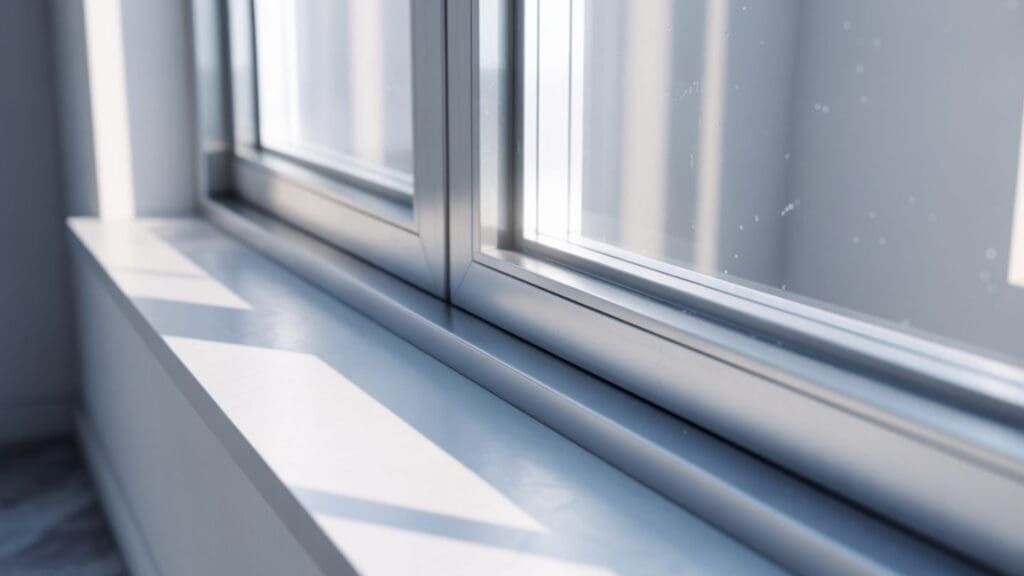
When it comes to improving home energy efficiency, most homeowners focus on glass upgrades and insulation, but the window frame plays an equally important role. In this blog, we explore how frame materials influence heat transfer, indoor comfort, long-term energy savings, and overall window performance. Because window frames can account for up to 20–30% of total heat loss, choosing the right material can dramatically impact both comfort and utility costs. From vinyl and fiberglass to composite, wood, and advanced thermal technologies, understanding how each option performs helps homeowners make smarter, more cost-effective decisions for their climate and home design.
Key Takeaways
- Window frames account for 20-30% of total window heat loss, making frame material selection crucial for energy conservation
- Vinyl, fiberglass, and composite frames provide superior thermal resistance compared to aluminum frames without thermal breaks
- Properly installed energy-efficient frames can reduce heating and cooling costs by 15-25% annually
Understanding Window Frame Impact on Energy Conservation
When most homeowners think about energy-efficient windows, they focus on the glass panes. But here’s what might surprise you: the window frame plays an equally critical role in your home’s energy performance. Understanding the role of window frames in energy conservation starts with recognizing that these components aren’t just decorative borders; they’re integral to your window’s thermal performance, air sealing, and long-term durability.
Window frames create what building scientists call “thermal bridging,” where heat flows directly through the frame material between your home’s interior and the outdoors. This heat transfer can significantly impact your energy bills, especially when frame materials have high thermal conductivity. A poorly performing frame can undermine even the most advanced glazing technology, while an energy-efficient frame enhances the overall energy efficiency of your entire window system.
Energy loss through window frames typically accounts for 20-30% of total window heat transfer. This means that choosing energy-efficient materials for your window frame can dramatically reduce heat transfer and improve your home’s overall energy efficiency. The difference becomes even more pronounced in extreme climates, where poor frame thermal performance can create uncomfortable drafts and temperature fluctuations near windows. Lower frame heat loss doesn’t just improve comfort indoors; it also cuts overall energy demand, which is a key reason why energy-efficient windows and doors benefit the planet.
Modern energy performance standards, including Energy Star certifications, evaluate the entire window system, not just the glass. The frame’s contribution to the overall U-factor (which measures heat flow) directly affects whether a window qualifies for energy efficiency ratings and rebates.
Window Frame Materials and Energy Performance
Selecting the right window frame material is crucial for maximizing energy efficiency in your home. Each material offers distinct advantages and trade-offs in terms of thermal insulation, durability, maintenance requirements, and cost. Let’s examine how different frame materials contribute to energy conservation and help you save energy over the long term.
Vinyl Window Frames
Modern vinyl frames represent one of the most cost-effective solutions for enhancing energy efficiency. These frames are constructed from polyvinyl chloride (PVC) with UV stabilizers that prevent degradation from sun exposure. The key to vinyl’s excellent thermal performance lies in its multi-chamber design, where hollow cavities trap air and create natural thermal insulation.
Advanced vinyl window frames feature 3, 4, or even 5-chamber systems that significantly reduce heat transfer compared to single-chamber designs. Many manufacturers offer foam-filled vinyl frames, where expanding foam insulation fills these cavities to further enhance energy efficiency. This construction can improve thermal performance by 15-20% compared to standard hollow chambers.
The low thermal conductivity of vinyl, ranging from 1.0 to 2.0 BTU-in/hr-ft²-°F, makes it highly effective at preventing heat transfer. This translates to lower energy bills and a more consistent indoor temperature throughout your home. Quality vinyl frames also maintain their energy-efficient features over a 20-30 year lifespan with minimal maintenance requirements.
One significant advantage of vinyl frames is their dimensional stability in moderate temperature ranges. That’s why many homeowners lean toward vinyl upgrades, since unlocking the potential of vinyl windows for energy-efficient homes often starts with multi-chamber construction and tight, long-lasting seals.
Fiberglass Window Frames
Fiberglass frames represent the premium choice for homeowners focused on maximum energy efficiency and long-term durability. These frames consist of glass fiber reinforcement embedded in a polymer matrix, creating a material with exceptional dimensional stability and thermal performance.
The glass fiber composition gives these frames unique properties: they expand and contract at nearly the same rate as glass panes, which maintains superior seal integrity over time. This compatibility prevents the gaps and air leaks that can develop when frame and glass materials respond differently to temperature changes.
Foam-core insulation options in fiberglass frames can achieve some of the lowest thermal conductivity values available, ranging from 0.5 to 1.5 BTU-in/hr-ft²-°F. This exceptional thermal performance helps minimize heat transfer even in extreme temperature variations, making fiberglass ideal for climates with harsh winters or scorching summers.
The dimensional stability of fiberglass frames means they maintain their energy-efficient performance for decades. While the initial investment is higher than vinyl, the combination of superior energy performance and minimal maintenance requirements often results in better long-term cost savings and return on investment.
Composite Window Frames
Composite frames blend wood fiber and polymer materials to create a frame that combines natural insulating properties with enhanced moisture resistance. These engineered materials have been refined since the 1990s to provide structural performance comparable to traditional wood frames while offering superior thermal properties and reduced maintenance.
The wood fiber component provides natural thermal insulation, while the polymer blend protects against moisture damage that can degrade energy performance over time. This combination results in thermal conductivity values typically ranging from 0.6 to 1.4 BTU-in/hr-ft²-°F.
Composite frames excel in maintaining consistent thermal performance across varying weather conditions. Unlike traditional wood frames that can warp or shrink with moisture changes, composite materials maintain their structural integrity and seal performance. This stability directly translates to sustained energy efficiency and reduced energy consumption over the frame’s lifetime.
The paintability and aesthetic customization options of composite frames allow homeowners to achieve a traditional wood appearance while benefiting from modern energy-efficient materials. This makes composites ideal for historic homes or architectural styles where energy efficiency must be balanced with aesthetic considerations.
Wood Window Frames
Traditional wood frames offer natural insulating properties due to wood’s cellular structure, which traps air in countless tiny pockets. Different wood species provide varying levels of thermal performance, with softwoods like pine and fir generally offering better insulation than hardwoods.
Wood’s thermal conductivity ranges from 0.8 to 1.2 BTU-in/hr-ft²-°F, placing it among the more energy-efficient frame materials. However, the long-term energy performance of wood frames depends heavily on proper maintenance, including regular sealing, staining, and painting cycles to prevent moisture infiltration and air leaks.
To reduce maintenance requirements while preserving energy efficiency, many manufacturers offer wood frames with aluminum or vinyl cladding on the exterior. This approach combines wood’s natural thermal properties with weather-resistant exteriors that maintain energy performance with minimal upkeep.
The key consideration with wood frames is that neglected maintenance can significantly compromise their energy conservation benefits. Moisture damage, warping, or deteriorated seals can increase air leakage and reduce thermal performance, potentially increasing energy costs over time.
Aluminum Window Frames
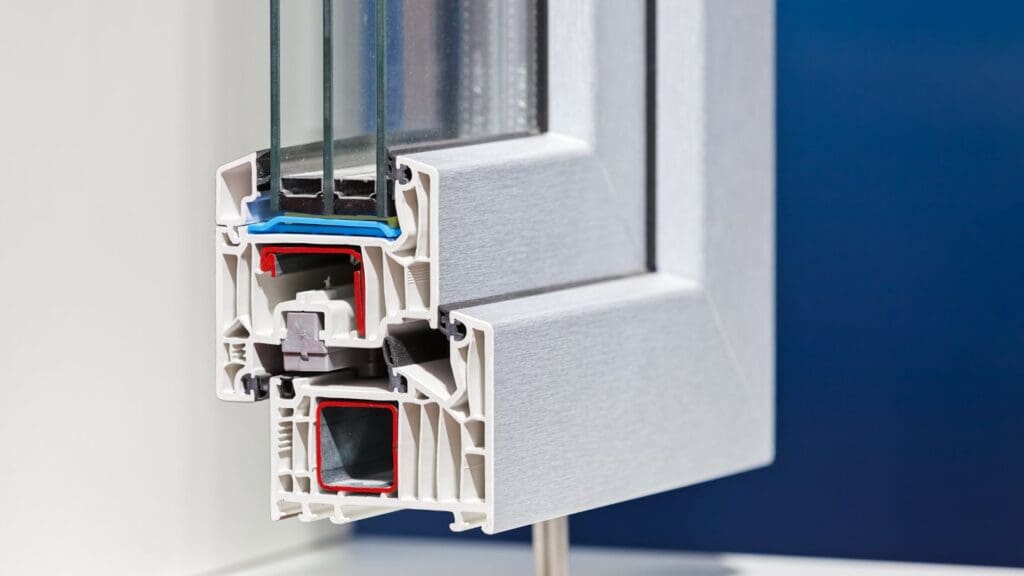
Standard aluminum frames present significant thermal bridging challenges due to aluminum’s extremely high thermal conductivity (1,400-1,700 BTU-in/hr-ft²-°F). Without thermal breaks, aluminum frames can account for substantial heat loss and often develop condensation problems in heating-dominated climates.
However, modern aluminum frames with thermal break technology address these energy efficiency concerns. Thermal breaks use polyamide strips or structural foam to interrupt the direct metal path between interior and exterior frame components. This technology, developed in Europe in the 1970s, can reduce aluminum frame thermal conductivity to 200-400 BTU-in/hr-ft²-°F.
While thermally broken aluminum frames represent a significant improvement over standard aluminum construction, they typically still don’t match the thermal performance of vinyl, fiberglass, or composite alternatives. The choice often comes down to architectural requirements, structural needs, or aesthetic preferences balanced against energy efficiency priorities.
For homeowners prioritizing maximum energy conservation, aluminum frames should only be considered when thermal break technology is included, and other factors like structural requirements or design constraints necessitate their use.
Advanced Frame Technologies for Energy Conservation
Modern window frame technologies go beyond basic material selection to incorporate sophisticated design features that significantly enhance energy efficiency. These innovations represent the cutting edge of energy conservation, offering homeowners unprecedented opportunities to save energy and reduce their carbon footprint.
Thermal Break Systems
Thermal break technology revolutionized aluminum frame performance by interrupting the direct heat flow path through the metal. The most common approach uses polyamide strips, high-strength plastic connectors that maintain structural integrity while dramatically reducing thermal conductivity.
Polyamide thermal breaks, originally developed in Europe during the energy crises of the 1970s, can improve aluminum frame thermal performance by 60-70%. Advanced systems combine these strips with structural glazing techniques that further reduce heat transfer at the glass-to-frame interface.
Foam-filled thermal break systems represent the next evolution, where expanding insulation fills the cavity created by the thermal break. This approach can achieve U-factor improvements of 0.1-0.2 compared to strip-only systems, translating to measurable reductions in heating and cooling costs.
Different thermal break materials offer varying levels of effectiveness. While polyamide strips are most common, some manufacturers use structural foams or composite materials that provide enhanced thermal performance. The key is ensuring the thermal break completely interrupts the conductive path without compromising structural integrity.
Multi-Chamber Frame Designs
Multi-chamber frame technology transforms the traditional hollow frame profile into a sophisticated thermal management system. By creating multiple separate air chambers within the frame, manufacturers can dramatically reduce convective heat transfer while maintaining structural strength.
Three-chamber vinyl systems represent the entry level for multi-chamber technology, providing significant improvement over single-chamber designs. Four and five-chamber systems offer progressively better thermal performance, with the most advanced designs achieving thermal conductivity values approaching those of solid insulating materials.
The effectiveness of multi-chamber designs depends on proper chamber sizing and placement. Smaller chambers reduce convective air movement more effectively than larger ones, while strategic placement can target the most thermally critical areas of the frame profile.
Foam insulation filling techniques can enhance multi-chamber performance by eliminating convective air movement entirely. Different foam densities and compositions offer varying levels of thermal improvement, with some systems achieving R-values approaching traditional wall insulation.
Performance differences between chamber configurations can be substantial. Five-chamber systems typically achieve 20-30% better thermal performance than three-chamber designs, which translates to meaningful differences in energy consumption and comfort.
Installation Factors Affecting Energy Conservation
Even the most energy-efficient windows can fail to deliver expected energy savings if installation practices compromise their thermal performance. Proper installation techniques are crucial for realizing the full energy conservation potential of advanced frame technologies and maintaining long-term energy efficiency.
The installation process must address three critical performance factors: air sealing, thermal bridging at the frame-to-wall interface, and moisture management. Each of these factors can significantly impact the window’s contribution to overall energy efficiency and your home’s energy usage.
Air sealing begins with properly sized rough openings that allow adequate space for insulation and sealing materials without compromising frame stability. The gap between the window frame and rough opening should be insulated with low-expansion foam or loose-fill insulation, never left as an air cavity that creates thermal bridging.
Common installation mistakes that reduce energy performance include:
- Inadequate air sealing around the frame perimeter
- Using high-conductivity fasteners without thermal breaks
- Compressing insulation materials beyond their effective R-value
- Creating thermal bridges through improper flashing details
- Failing to seal operational components and hardware
Quality installation requires specific techniques for different frame materials. Vinyl frames need accommodation for thermal movement, while fiberglass and composite frames require attention to their specific expansion characteristics. Wood frames demand careful moisture management to preserve their long-term thermal performance.
When frames are installed and sealed correctly, the payoff is much larger over time, reflecting the long-term value behind maximizing savings with energy-efficient windows.
Frame Maintenance and Long-Term Energy Performance
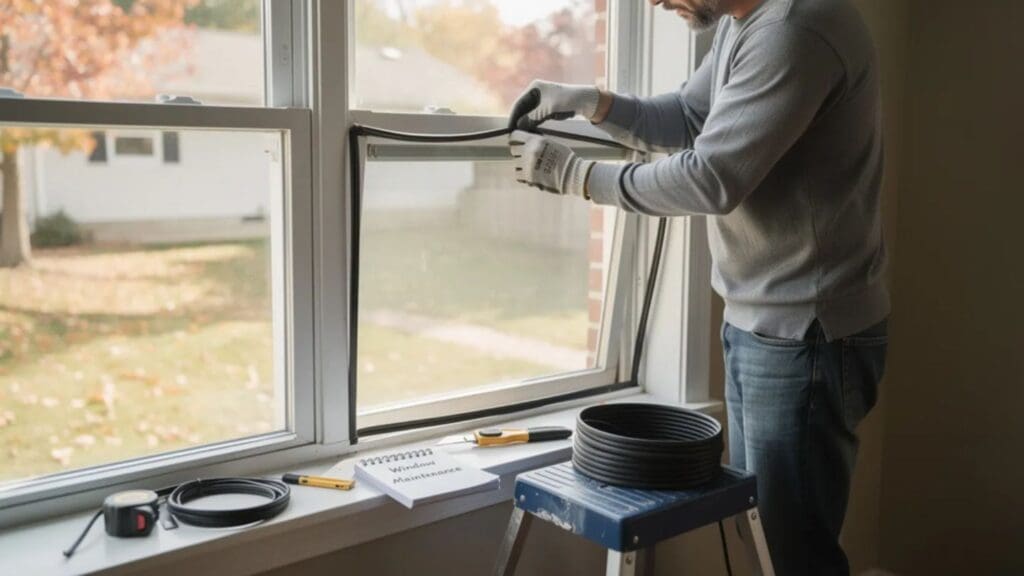
The relationship between proper maintenance and sustained energy conservation cannot be overstated. While modern window frame materials are designed for durability, their long-term energy performance depends on maintaining critical sealing components and addressing wear before it compromises thermal efficiency.
Different frame materials require specific maintenance approaches to preserve their energy-efficient features. Understanding these requirements helps homeowners protect their investment and maintain optimal energy performance throughout the window’s service life.
Vinyl Frame Maintenance: Vinyl’s low-maintenance reputation doesn’t mean maintenance-free. Annual inspection should focus on:
- Weatherstripping condition and replacement every 5-7 years
- Hardware lubrication to maintain proper closure and sealing
- Cleaning drainage channels to prevent moisture accumulation
- Checking for UV degradation in high-exposure areas
Fiberglass Frame Maintenance: Fiberglass frames require minimal structural maintenance, but benefit from:
- Periodic seal inspection and replacement
- Hardware adjustment to maintain compression sealing
- Surface cleaning to prevent dirt accumulation that affects thermal performance
- Checking foam-filled cavities for settling or damage
Composite and Wood Frame Maintenance: These materials require more active maintenance schedules:
- Wood components: refinishing every 3-5 years
- Seal replacement every 4-6 years
- Moisture monitoring and prompt repair of any water intrusion
- Regular hardware adjustment and lubrication
Seal replacement represents the most critical maintenance activity for preserving energy efficiency. High-quality weatherstripping materials can maintain their sealing properties for 5-10 years under normal conditions, but exposure to extreme temperatures, UV radiation, or mechanical stress can reduce this lifespan.
Seasonal Maintenance Checklist:
- Spring: Inspect and clean weatherstripping, lubricate hardware, and check drainage systems
- Summer: Monitor for UV damage, ensure proper ventilation around frames
- Fall: Test sealing effectiveness, prepare for heating season, check insulation around frames
- Winter: Monitor for condensation issues, ensure proper operation in cold conditions
Regular maintenance not only preserves energy performance but can actually improve it over time. Properly maintained windows often exceed their original energy efficiency ratings as homeowners upgrade components and address minor issues before they become major problems.
Selecting Energy-Efficient Window Frames for Your Climate
Climate considerations play a crucial role in window frame selection, as different materials and technologies perform optimally under different temperature and weather conditions. Energy Star guidelines provide region-specific recommendations that help homeowners choose window frame materials that maximize energy efficiency for their specific location.
Heating-Dominated Climates (Northern Regions): In cold climates where heating represents the dominant energy load, frame selection should prioritize minimizing heat loss and preventing condensation. Recommended U-factors for these regions typically fall below 0.30, requiring high-performance frame materials.
Fiberglass frames excel in extreme cold due to their dimensional stability and ability to incorporate high-R-value insulation. Multi-chamber vinyl frames with foam fills also perform well, particularly when combined with triple-pane windows. Wood and composite frames provide excellent thermal performance but require more maintenance attention in freeze-thaw cycles.
Cooling-Dominated Climates (Southern Regions): Hot climates prioritize controlling solar heat gain while maintaining reasonable thermal performance. Energy Star recommendations in these regions allow U-factors up to 0.60, but the solar heat gain coefficient becomes more critical.
Frame material selection should consider thermal expansion characteristics and UV resistance. Fiberglass and quality vinyl frames maintain dimensional stability under high heat loads. Aluminum frames with thermal breaks can be acceptable in these climates when properly designed for solar heat gain control.
Mixed Climates: Regions with significant heating and cooling loads require balanced frame performance. These areas benefit from frame materials that maintain consistent thermal performance across wide temperature ranges while resisting both freeze damage and heat degradation. The heat and humidity, choosing frames that resist warping and hold their seals is essential, exactly the approach emphasized in choosing energy-efficient windows for your home.
Composite frames often excel in mixed climates, combining thermal stability with moisture resistance. Multi-chamber vinyl systems with quality UV stabilization also perform well across varied conditions.
Final Thoughts
Window frames aren’t just structural supports; they’re a major driver of how well your windows conserve energy. Because frames can contribute 20–30% of total window heat loss, choosing low-conductivity materials like vinyl, fiberglass, composite, or well-maintained wood makes a noticeable difference in comfort and utility bills. Pairing the right frame with advanced features like multi-chamber construction, foam fills, and proper air-sealed installation can cut heating and cooling costs by 15–25% a year, while also reducing drafts, condensation, and long-term wear.
At Advanced Window Products, we help homeowners select and install the best energy-efficient windows in Houston, which residents can rely on for real, climate-ready performance. Whether you’re looking for storm-ready protection with hurricane windows, upgrading your home with high-performance replacement windows, or ensuring maximum efficiency through expert window installation, the right frame choice and flawless setup work together to keep your home comfortable and energy-smart for decades.
Frequently Asked Questions
Which window frame material provides the best energy conservation performance?
Fiberglass offers the strongest energy conservation due to low thermal conductivity, excellent stability, and foam-insulation options. High-quality multi-chamber vinyl and composite frames also deliver comparable performance at lower cost, depending on climate, budget, and efficiency priorities.
How much can energy-efficient window frames reduce my heating and cooling costs?
Upgrading to energy-efficient window frames can lower heating and cooling expenses by 15–25% annually. Cold climates often save $150–$400 yearly, while moderate regions typically achieve $100–$250, depending on home size, window condition, and local energy rates.
Do I need to replace my entire window, or can I just upgrade the frame?
Replacing the entire window is usually necessary because modern energy-efficient systems rely on integrated frame-and-glass performance. Frame-only upgrades are rarely cost-effective and often reduce sealing quality, insulating capability, and overall long-term energy efficiency.
What is the typical lifespan of different window frame materials?
Fiberglass lasts 30–50 years; vinyl and composite typically last 25–40 years; wood averages 20–30 years with maintenance; thermally broken aluminum lasts 25–35 years. Climate exposure, installation quality, and upkeep strongly influence actual lifespan.
How do thermal breaks in aluminum frames compare to vinyl or fiberglass frames for energy efficiency?
Thermally broken aluminum greatly improves efficiency but still conducts more heat than vinyl, fiberglass, or composites. Although reduced to 200–400 BTU-in/hr-ft²-°F, it cannot match the naturally superior insulating properties of non-metal frame materials.