
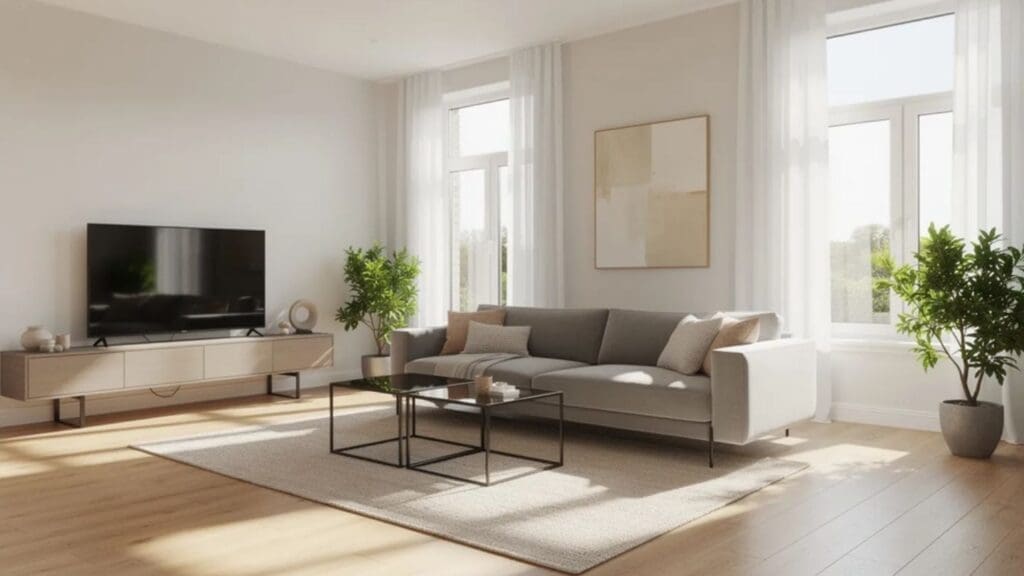
Replacing old windows can do far more than improve energy efficiency; it can change how your entire home feels. New windows bring in more natural light, reduce outside noise, and help rooms stay more comfortable year-round. They can also refresh the look of both your interior and exterior without a full renovation. When done right, window replacement becomes a noticeable lifestyle upgrade. In this blog, we’ll explain how window replacement improves comfort, lighting, and curb appeal, and how upgrading to modern, efficient windows can transform your living space while adding long-term value to your home.
Key Takeaways
- Replacing old, drafty windows with modern double- or triple-pane, low-E, argon-filled units can cut heating and cooling energy use by 15–25%, making your home more comfortable year-round.
- Many U.S. homeowners recover 70–85% of their window replacement cost at resale, making this one of the higher-return home improvement projects available.
- New windows dramatically increase natural light, reduce outside noise, and enhance security in living rooms, bedrooms, and home offices.
- Modern window designs with slim frames and larger glass areas make rooms feel bigger, brighter, and more connected to the outdoors.
- Professional installation and choosing the right window style for each room are essential to getting the full transformation; the product is only as good as how it’s installed.
How Window Replacement Instantly Changes the Feel of Your Home
Picture this: you walk into your living room on a Saturday morning. The old aluminum sliders from the 1980s rattle slightly in the breeze, condensation fogs the corners of the glass, and the room feels dim even with the blinds open. Now imagine that same room after a window replacement project, new casement windows with larger glass panels, crisp white frames, and a clear, unobstructed view of your backyard. The space feels brighter, quieter, and somehow bigger, even though you haven’t changed a single piece of furniture.
That’s the transformation homeowners experience when they replace their windows. It’s not just about swapping out old glass for new. It’s about how your home feels, functions, and welcomes you every single day.
Here’s what changes the moment new windows go in:
- Brighter interiors: More natural light floods through larger, cleaner glass areas, reducing the need for lamps during the day.
- Clearer outdoor views: Modern windows with fewer grids and thinner frames let you see more of what’s outside, your garden, the street, and the sky.
- A more “finished” look from the street: Fresh frames, consistent styles, and updated designs instantly improve your home’s curb appeal.
- Improved first impressions: Whether you’re hosting guests or preparing for a future sale, updated windows signal that the home is well-maintained.
The Power of Natural Light and Views
One of the most effective ways to transform a living space is simply letting in more light. Replacing windows can turn dark, underused rooms into favorite gathering spaces just by improving how daylight enters your home.
When you upgrade from small, dated windows to contemporary window designs, think floor-to-ceiling glass, wide sliders, or clerestory windows near the ceiling, you’re not just adding square footage of glass. You’re changing the entire atmosphere of the room. Natural light makes spaces feel more open, more welcoming, and more alive.
Different rooms benefit in different ways:
| Room | Benefits of Better Daylight |
| Kitchen | Feels more social and energizing for morning routines |
| Living room | Becomes a brighter hub for family time and entertaining |
| Home office | Boosts mood and productivity during work hours |
| Bedroom | Provides calming, properly oriented light for rest |
Modern replacement windows with low-E coatings let in plenty of natural light while filtering out UV rays and reducing glare. That means you get the brightness without the fading on your furniture, flooring, and artwork that comes with older, uncoated single-pane windows.
Making Small Rooms Feel Bigger and More Open
If you’ve ever felt cramped in a small bedroom, den, or basement, the windows might be part of the problem. Increasing glass area and choosing modern windows with slim frames can visually “push out” the walls, making tight spaces feel surprisingly airy.
Consider a 10’x10’ guest room with a single small window. It functions fine, but it always feels a bit cave-like. Replace that small window with a taller casement, or add a second window on an adjacent wall, and suddenly the room breathes. The added natural light and connection to the outdoors create a retreat instead of an afterthought.
A few design moves that make rooms feel more spacious:
- Grid-free or thin-grid designs: Removing heavy muntins creates uninterrupted sightlines through the glass.
- Taller windows: Raising the head height draws the eye upward and makes ceilings feel higher.
- Larger windows in general: Even going from a 3’x4’ opening to a 4’x5’ unit can make a noticeable difference in how a space feels.
Framing the Outdoors Like Artwork
Modern picture windows and large sliders don’t just let light in; they turn your outdoor surroundings into focal points. A well-placed window can frame your backyard garden, a row of mature trees, a city skyline, or mountain views like a piece of artwork that changes with the seasons.
Imagine swapping three small, separate windows for one expansive 8-foot picture window overlooking your patio. Suddenly, that view becomes the centerpiece of your living room. Your eye travels outside instead of stopping at the wall. The room feels connected to something larger.
Carefully chosen window shapes, arched tops, corner windows, or trapezoid designs can align with your home’s architectural lines and create “framed” views from seating areas, dining tables, or reading nooks. This kind of thoughtful window placement is what separates a basic upgrade from a true living space transformation.
Comfort Upgrades: Temperature, Drafts, and Quiet
Many homeowners find that the first thing they notice after replacing windows isn’t how they look, it’s how the rooms feel. That chilly spot by the living room window in January? Gone. The upstairs bedroom that bakes in July? Finally comfortable. If you’re noticing drafts, condensation, or fogged panes, recognizing the top signs it’s time to replace your vinyl windows can help you prioritize upgrades before comfort and energy loss get worse.
Replacing 20- to 30-year-old single-pane or failing dual-pane windows with modern Energy Star–rated units typically delivers improved insulation, eliminates drafts, and helps regulate indoor temperatures throughout your home. Less temperature fluctuation means your HVAC system cycles less often, which can lower utility bills and even extend the lifespan of your furnace and air conditioner.
Here’s a number worth knowing: up to 25% of home heating and cooling energy can be lost through inefficient windows. That’s cooling energy in summer and heating energy in winter escaping right through the glass and around worn frames. Energy-efficient windows dramatically reduce that heat loss and heat gain.
Consistent Temperatures Room to Room
Older homes often have noticeable cold spots by windows in winter and uncomfortably hot, sun-baked rooms in summer. You know the drill: some rooms are cozy while others require space heaters or extra fans just to be usable.
Modern double- and triple-pane windows filled with argon gas and built with warm-edge spacers greatly reduce heat transfer across the glass. The result is more consistent indoor temperatures from room to room, regardless of where the sun is shining or how cold it is outside.
Once high-performance windows are installed, many homeowners find they can finally ditch the heavy drapes and draft stoppers they’ve been using for years. The windows do the work on their own.
Reducing Drafts and Outside Noise
Old windows often come with a package of problems: worn weatherstripping, warped frames, and single-pane glass that lets in both cold air and every sound from the street. Traffic, construction, barking dogs, airplanes, it all comes through.
New windows with tight seals, multi-point locks, and thicker glass can noticeably reduce drafts and air leakage around frames. The improvement is immediate. You feel fewer cold spots in winter, less hot air seeping in during summer, and a general sense that the house is more “sealed up.”
For noise reduction, laminated or triple-pane glass upgrades can make a significant difference. If you live near a busy road, under a flight path, or in a dense neighborhood, upgrading your bedroom and home office windows can transform your daily experience. Quieter evenings, better sleep, and fewer distractions during work calls, all from replacing windows.
One homeowner near a busy Houston street described the change after replacing windows in 2024: “It’s like someone turned the volume down on the whole neighborhood. I can finally sleep with the window-side of the bed.”
Energy Efficiency and Lower Utility Bills
All those comfort improvements translate directly into measurable savings on your monthly energy bills. When your windows stop leaking conditioned air and blocking unwanted heat gain, your HVAC system doesn’t have to work as hard.
In typical U.S. climates, upgrading from old single-pane windows to Energy Star–certified dual-pane windows can save homeowners around 10–15% on energy costs. In colder climates, the savings can be even higher because there’s more heat loss to prevent. All those comfort improvements translate directly into measurable savings on your monthly energy bills, and understanding the impact of window replacement on property value helps explain why efficiency upgrades often pay off beyond just utility costs.
Modern window technologies that make this possible include:
- Low-E coatings that reflect heat back inside during winter and block solar heat in summer
- Argon gas fills between panes that provide better insulation than plain air
- Insulated frames (vinyl, fiberglass, or composite) that don’t conduct heat like old aluminum
- Warm-edge spacers that reduce condensation and heat transfer at the glass edges
- Properly foamed and insulated installation gaps that eliminate air leaks around the frame
It’s also worth checking with your utility company about rebates. Many utility providers and state programs offer incentives or tax credits for high-efficiency window replacements, which can help offset the upfront investment.
Understanding Modern Window Performance Features
You don’t need to become an engineer to understand window performance, but knowing two basic terms helps you make smarter choices:
U-factor measures how well a window insulates. Lower numbers mean better insulation. An old aluminum single-pane window might have a U-factor around 1.0, while a new vinyl or fiberglass low-E double-pane unit typically falls between 0.25 and 0.30. That’s a huge difference in energy loss.
Solar Heat Gain Coefficient (SHGC) measures how much solar heat passes through the glass. Lower SHGC means less heat enters your home, which is especially important in hot, humid Gulf Coast climates like the Houston area, where air conditioning costs can climb quickly. In cooler months, windows with balanced SHGC settings can still allow natural light without overheating the home.
| Climate | Priority | What to Look For |
| Hot & humid (Houston / Gulf Coast) | Reduce solar heat | Low SHGC + Low-E glass |
| Warm-to-mild winters (Texas coastal areas) | Balance comfort & efficiency | Low SHGC + strong insulation (low U-factor) |
| Severe cold climates | Keep heat inside | Very low U-factor |
Style, Curb Appeal, and Interior Design
Windows function like design anchors for your home; they shape how the house looks from the street and how every room feels from the inside. Replacing dated, fogged, or mismatched windows with clean-lined modern units can instantly freshen both your home’s exterior and interior sightlines. Replacing dated, fogged, or mismatched windows with clean-lined modern units can instantly freshen both your home’s exterior and interior sightlines, showing how window replacement can boost your home’s curb appeal.
According to recent cost–value studies, window replacement projects routinely deliver 70–80% or higher return on investment at resale. Buyers value updated, energy-efficient features because they know it means lower utility bills and less maintenance ahead.
Popular design trends include:
- Black frames for a bold, contemporary look
- Large sliding glass doors that blur indoor-outdoor boundaries
- Grid-free or thin-grid profiles for clean, uninterrupted views
- Mixed materials like wood interiors with low-maintenance exterior cladding
Whether you’re planning to sell soon or stay for decades, updating your windows is one of the most visible improvements you can make to your property value.
Matching Window Styles to Your Home’s Architecture
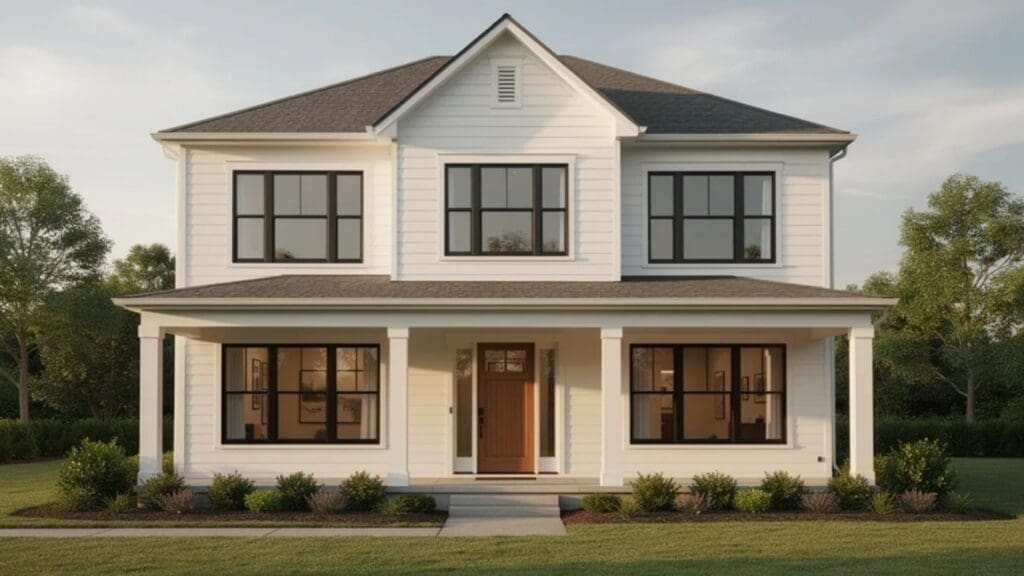
Different architectural styles benefit from specific window types. The goal is to enhance your home’s character, not fight against it.
| Home Style | Best Window Choices |
| Traditional colonial | Wood windows or double-hung with grids |
| Contemporary/mid-century | Casement windows with clean lines |
| Modern farmhouse | Large sliders or picture windows |
| 1990s suburban | Black-framed vinyl casements for an updated look |
| 1920s bungalow | Wood-clad double-hung to maintain historic character |
Consistent grille patterns, frame colors, and trim details across your house create a cohesive design that looks intentional rather than piecemeal. This matters for your home’s curb appeal and how each room photographs for future listing photos.
Enhancing Interior Design and Furniture Layout
Rethinking window placement and size during replacement opens up new options for furniture arrangement and room focal points. Windows aren’t just openings in walls; they’re opportunities to reshape how you use a space.
Design scenarios to consider:
- Living room: Center a large picture window behind your sofa to create a natural focal point and dramatic effect.
- Kitchen: Add a wide pass-through window over the sink for light while cooking and a connection to an outdoor dining area.
- Bedroom: Install a bay window to create a built-in reading nook or window seat.
- Home office: Raise sill heights to accommodate built-in desks or storage beneath the window.
More balanced, symmetrical window layouts make rooms photograph better for listing photos or social media, and they feel more harmonious in daily life. When you coordinate window style with paint colors, flooring, and interior decor, the transformation goes beyond the windows themselves; it elevates the entire room.
Safety, Security, and Everyday Functionality
The transformation from new windows isn’t only visual. Better windows also improve safety, ease of use, and how you ventilate your home day to day.
Older windows can stick, fail to lock properly, or be nearly impossible to open in an emergency. Current windows feature smoother hardware, stronger multi-point locking systems, and better overall construction. Many replacement windows include options like:
- Tempered or laminated glass that’s harder to break
- Child-safety locks that prevent accidental falls
- Smart sensors that integrate with home security systems
- Impact-resistant designs for areas prone to severe weather
Better-functioning windows also encourage regular natural ventilation. Opening awning windows or casement windows on a mild day improves indoor air quality, especially important in tight, well-insulated homes where fresh air circulation matters.
Safer, Easier Operation for All Ages
Modern hardware and balance systems make windows dramatically easier to open and close for everyone, children, older adults, and people with limited mobility.
For bedrooms, meeting current egress code requirements matters for safety and future home sales. Properly sized operable windows allow quick exit during emergencies and satisfy inspection requirements.
Secure, properly latching windows with reinforced frames give homeowners peace of mind, especially in ground-floor rooms. When everything works smoothly and locks solidly, you feel more confident in your home’s protection.
Planning Your Window Transformation
A successful window replacement project starts with thoughtful planning. Walking through your home, room by room, and listing specific issues, drafts, poor insulation, noise, condensation, or just an outdated appearance, helps you prioritize and budget effectively. Whether you’re planning to sell soon or stay for decades, updating your windows is one of the most visible improvements you can make to your property value, and the impact of window replacement on home resale value highlights why timing and planning matter.
Questions to ask yourself in each room:
- Do I feel drafts near this window?
- Does this room get too hot or too cold seasonally?
- Is outside noise a problem here?
- Does condensation or fogging affect the glass?
- Does the window style match my home’s overall aesthetic appeal?
Many homeowners choose to phase their window replacement work rather than doing the whole house at once. Common approaches include:
- Curb appeal first: Replace front elevation windows to refresh the home’s exterior appearance
- Comfort priority: Start with the coldest or hottest rooms to see immediate benefits
- All at once: Replace every window for a consistent appearance and potential volume discounts
Reputable contractors often offer digital design tools or visualizers that let you preview frame colors, grille patterns, and configurations before you commit. This takes some of the guesswork out of major decisions and helps you imagine how contemporary window designs will actually look in your house.
Choosing the Right Materials and Installer
Frame material affects maintenance, appearance, cost, and durability. Here’s a quick comparison:
| Material | Pros | Considerations |
| Vinyl | Low maintenance, affordable, good insulation | Limited dark colors in some climates |
| Fiberglass | Strong, stable, paintable, and excellent durability | Higher cost than vinyl |
| Composite | Blends wood aesthetics with durability | Mid-to-high price point |
| Aluminum | Sleek, modern look, very durable | Conducts heat; needs thermal breaks |
| Wood-clad | Beautiful interior wood, low-maintenance exterior | Requires careful installation |
Proper installation is just as important as the window itself. Gaps, improper flashing, or poor sealing can undermine even the best products. High-quality installation with proper weatherproofing, insulation, and sealing is what delivers real performance and longevity.
A Simple Upgrade With a Big Impact
Window replacement can completely change how your home looks and feels, bringing in more natural light, improving comfort, reducing noise, and boosting curb appeal. With the right window style and professional installation, the upgrade becomes more than a repair project; it becomes a lasting improvement to everyday living and long-term home value.
At Advanced Window Products, we provide window replacement in League City, TX, that delivers high-performance upgrades that transform living spaces. We install hurricane windows, all replacement windows, and energy-efficient windows designed for comfort, protection, and long-term durability. Reach out to us today to start a window upgrade that makes your home brighter, quieter, and more enjoyable year-round.
Frequently Asked Questions
How do I know if my windows need replacement or just repairs?
If your windows have drafts, fogging between panes, sticking sashes, rotting frames, or damaged seals, replacement is usually the better long-term solution. Minor issues like worn weatherstripping may be repairable. If multiple windows show age-related failure, replacement delivers stronger comfort, efficiency, and value.
Will new windows really make my home noticeably quieter?
Yes. Modern double- or triple-pane windows with tight seals significantly reduce outside noise from traffic, neighbors, and construction. Laminated glass upgrades improve sound control even more. Many homeowners notice the difference immediately, especially in bedrooms and home offices where quiet and focus matter most.
How much can window replacement improve comfort in my home?
Window replacement improves comfort by reducing drafts, eliminating cold spots, and stabilizing indoor temperatures across rooms. High-performance glazing keeps interior glass warmer in winter and blocks heat gain in summer. This reduces HVAC cycling and makes living spaces feel consistently comfortable throughout the year.
What window style makes the biggest difference in natural light and views?
Picture windows, larger sliders, and modern casement windows often deliver the biggest visual upgrade. Slim frames and fewer grids increase glass area, allowing more daylight and clearer outdoor views. Replacing small, dated windows with taller or wider units can make rooms feel brighter and more open.
Is professional installation really that important for performance?
Absolutely. Even top-quality windows can underperform if installed incorrectly. Proper flashing, insulation, sealing, and leveling prevent air leaks, moisture intrusion, and future warping. Professional installation ensures durability, energy efficiency, and warranty protection, making the upgrade feel like a true transformation rather than just a replacement.