
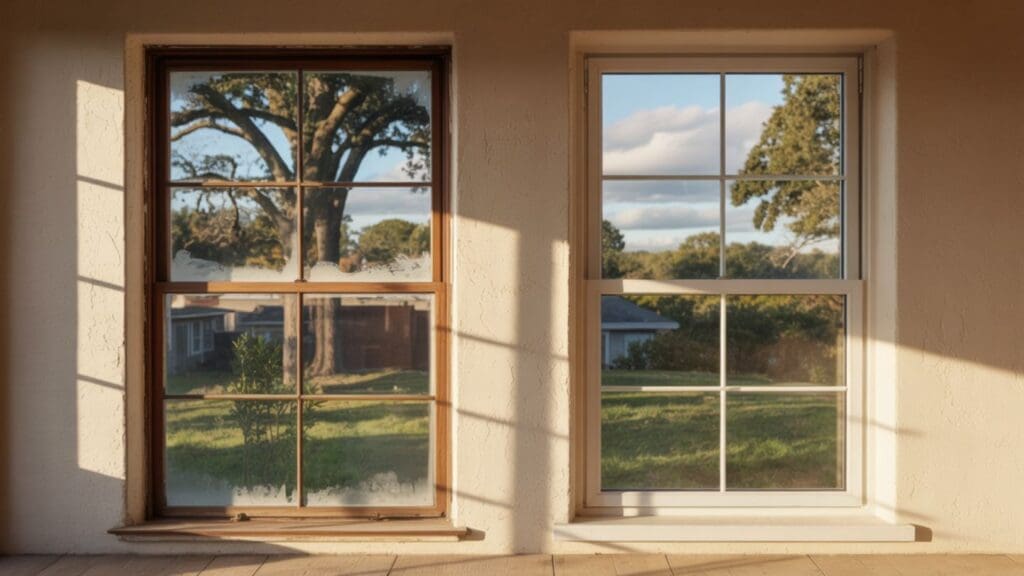
Windows shape how your home feels every day, from temperature comfort to quietness and energy bills. If rooms run hot in summer, chilly in winter, or street noise seems too close, your window glass may be the reason. Choosing between single-pane and double-pane units isn’t just a style call; it affects insulation, HVAC workload, and even resale value. In this blog, we’ll break down how each option is built, what those differences mean for efficiency and cost, and when an upgrade makes sense. By the end, you’ll know which window type fits your climate, budget, and comfort goals best.
Key Takeaways
- Double-pane windows can reduce energy costs by 15-30% compared to single-pane windows through improved insulation
- Double-pane windows provide 30-50% better noise reduction and enhanced security with dual glass layers
- Homes built before 1980 typically have single-pane windows that should be upgraded for better energy efficiency
- Double pane windows increase home resale value by $8,000-15,000 on average and qualify for federal tax credits up to $600 in 2024
Your windows do more than let in light; they’re a critical barrier between your home’s comfort and the outside elements. If you’re dealing with high energy bills, uncomfortable drafts, or outside noise, your windows might be the culprit. The choice between double-pane vs single-pane windows can dramatically impact your home’s energy efficiency, comfort, and long-term value.
Understanding the key differences between these window types helps you make an informed decision that benefits both your wallet and your daily comfort. Whether you’re replacing original single-pane windows or building new, this guide walks you through everything you need to know about choosing the right windows for your home.
Understanding Single Pane vs Double Pane Windows
The primary difference between single-pane and double-pane windows lies in their construction. Single-pane windows consist of only one sheet of window glass mounted in a window frame, providing minimal insulation between your home’s interior and outdoor conditions. This simple design was standard in homes built before energy efficiency became a priority.
Double-pane windows feature two glass panes separated by an insulating gap filled with air or insulating gas like argon or krypton gas. This additional layer creates a thermal barrier that significantly improves the window’s insulating properties. The space between the two glass layers acts as a buffer zone, preventing direct heat transfer and creating better insulation than what a single sheet of glass can provide.
Visual Identification Methods
Determining whether you have single-pane or dual-pane windows is straightforward. Look at the edge of your window. If you see glass separated by a spacer framework, you have double-pane windows. Single-pane options will show only one layer of glass in the frame. Another method involves shining a flashlight at the window glass: single-pane windows produce one reflection, while double-pane windows create two distinct reflections from each glass surface.
You can also test by touch on a cold day. Single-pane windows feel noticeably colder to the touch because they offer poor insulation, while double-pane windows maintain a more comfortable temperature due to their insulating gap.
Energy Efficiency Comparison
The energy efficiency difference between single-pane and double-pane windows is substantial and measurable. Single-pane windows typically have an R-value of approximately 1, indicating minimal insulation capability. In contrast, double-pane windows achieve R-values between 2 and 4, effectively providing twice to four times the thermal resistance.
This improved insulation translates into real energy savings. Homeowners can save between $200 and $600 annually by replacing single-pane windows with energy-efficient windows. The U.S. Department of Energy documents that homes with double-pane windows can achieve up to a 30% reduction in monthly energy bills compared to homes with single-pane options.
Low-E Coatings and ENERGY STAR Performance
Modern double-pane windows often include Low-Emissivity (Lo-E) coatings that reflect 90% of UV rays while allowing visible light to pass through. These coatings enhance energy efficiency by reflecting outdoor heat in summer and retaining interior warmth during winter months. Energy Star-certified windows meet strict performance criteria and qualify for federal tax incentives.
The improved energy efficiency also reduces strain on your HVAC system. When windows provide better insulation, heating and cooling equipment doesn’t work as hard to maintain a comfortable indoor temperature, extending equipment lifespan and reducing maintenance costs.
Cost Analysis and Return on Investment
Understanding the financial implications of single-pane vs double-pane windows requires examining both upfront costs and long-term savings. Single pane windows typically cost $150-400 per window, while double pane options range from $300-800 per window, depending on size, features, and quality.
The installation process adds $100-300 per window, depending on complexity and whether you choose full-frame replacement or insert installation methods. While the higher upfront cost might seem significant, the payback period typically ranges from 5 to 10 years through lower energy bills.
Available Incentives and Long-Term Value
Federal tax credits up to $600 are available in 2024 for qualifying energy-efficient window installations. Many utility companies also offer rebates for upgrading to Energy Star-certified windows. These incentives help offset the initial investment difference between window types.
Beyond energy savings, double-pane windows increase home resale value by an average of $8,000-15,000. The combination of energy savings, increased home value, and improved comfort creates a compelling long-term return on investment that justifies the higher upfront cost.
| Cost Factor | Single Pane | Double Pane |
| Window Cost | $150-400 | $300-800 |
| Installation | $100-300 | $100-300 |
| Annual Energy Savings | $0 | $200-600 |
| Payback Period | N/A | 5-10 years |
| Home Value Increase | Minimal | $8,000-15,000 |
Comfort and Performance Benefits
Double-pane windows provide substantial improvements beyond energy efficiency. The additional pane creates effective noise reduction, dampening 30-50% more sound waves than single-pane alternatives. This noise insulation proves particularly valuable for homes near busy streets, airports, or other sources of noise pollution.
The dual glass layers also eliminate cold drafts and hot spots that commonly occur near single-pane windows. This improved comfort means more consistent temperatures throughout your home and reduced cold air infiltration during the winter months.
Enhanced Security and UV Protection
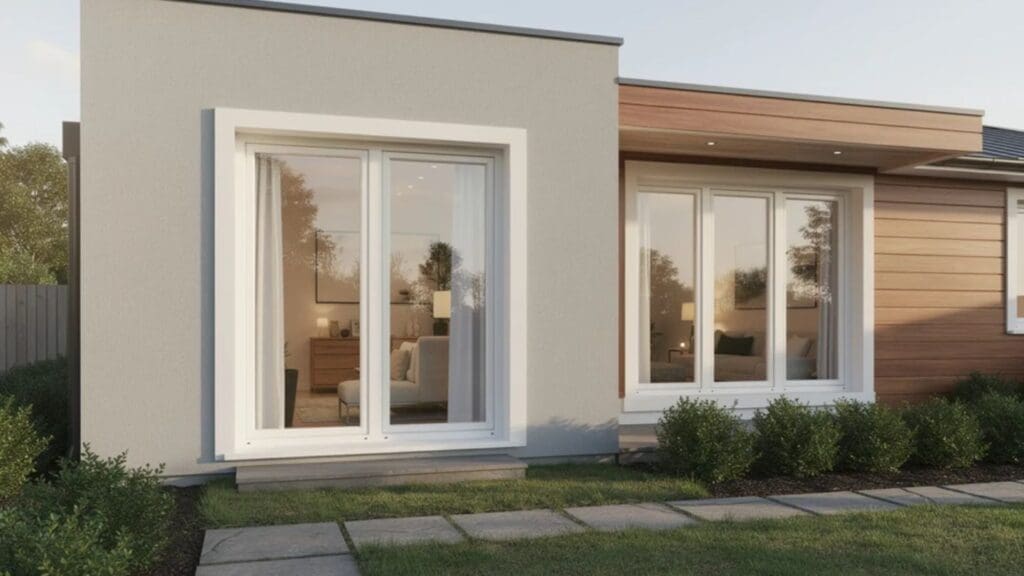
The two glass layers in double-pane windows provide enhanced security compared to single-pane options. Breaking through two glass panes requires more effort and creates more noise, deterring potential intruders. The additional layer also provides better impact resistance during severe weather.
Double-pane windows with Lo-E coatings protect interior furnishings, carpets, and artwork from UV damage that causes fading. By blocking harmful rays while allowing visible light through, these windows preserve your interior investments while maintaining natural illumination.
When to Replace Single Pane Windows
Several indicators suggest it’s time to replace windows with double-pane alternatives. Homes built before 1980 typically feature original single-pane windows that should be upgraded for better energy efficiency and comfort. Physical signs include visible drafts around window frames, condensation between glass panes, difficulty opening or closing windows, or damaged frames.
If your heating and cooling costs represent 25% or more of your utility bills, inefficient windows might be contributing to higher energy bills. Seasonal discomfort patterns, feeling cold near windows in winter or heat gain during summer, also indicate poor window performance.
Ideal Timing for Window Replacement
Spring and fall offer the best seasons for installation, providing optimal weather conditions for the installation process. Planning window replacement around other home renovation projects maximizes efficiency and can reduce overall project costs.
A good way to stay organized is to understand the window installation timeline and what homeowners can expect, especially if you’re replacing multiple windows at once. Knowing the typical phases, measurements, ordering, removal, fitting, sealing, and finishing helps you plan around the project with far less disruption.
Installation and Professional Considerations
Professional installation ensures proper performance and warranty coverage for your new windows. The typical timeline for whole-home window replacement ranges from 2-5 days, depending on the number of windows and the complexity of the project.
Most areas require permits for window replacement, and professional contractors understand local building codes and compliance requirements. Choosing between full-frame replacement and insert installation depends on your existing window condition and your home’s construction.
Before selecting a contractor, it helps to review the questions to ask when hiring a window installer. Topics like licensing, warranty protection, product handling, and sealing methods can make the difference between a window that performs well for decades and one that loses efficiency early.
Quality Assurance and Warranties
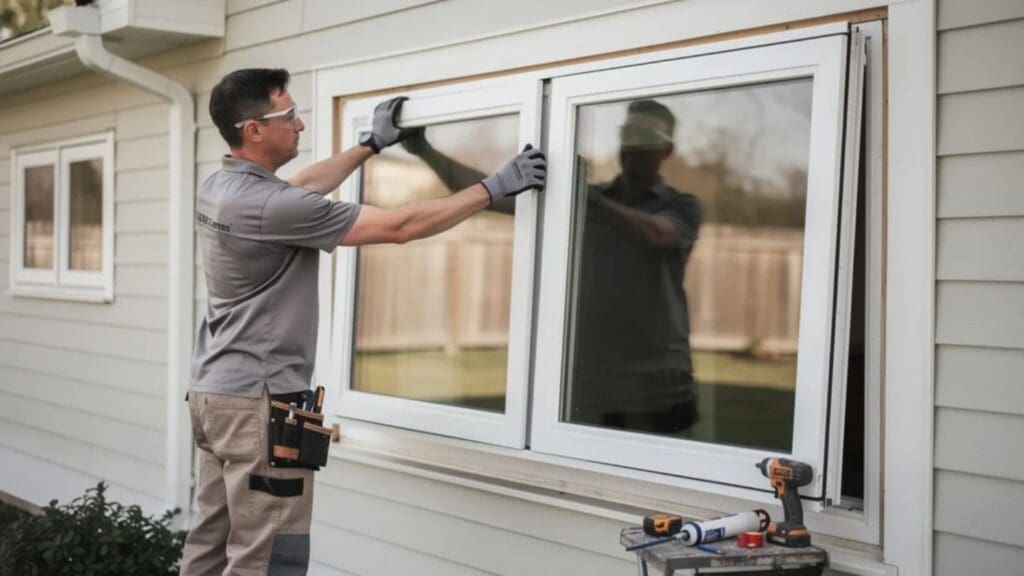
Quality double-pane windows come with 10-20 year warranties on materials and 1-2 years on installation labor. When selecting contractors, request multiple quotes and verify licensing, insurance, and customer references. A reputable window provider will offer free estimate consultations and explain different window options clearly.
Many homeowners gain clarity through an expert interview on what to look for in a window installation service, because it highlights the small technical details that impact long-term performance, accurate leveling, proper insulation, and correct sealing around the frame.
Avoiding Performance Problems After Installation
Even premium double-pane windows won’t perform as intended if installed incorrectly. Understanding the benefits of professional vs DIY window installation matters here, since double-pane systems require airtight sealing and exact alignment to maintain their insulating gas fills and thermal barriers.
It’s also smart to be aware of common window installation mistakes and how to avoid them, such as skipped flashing, uneven shimming, weak caulking, or installing over damaged frames. Avoiding these issues protects energy savings and ensures the upgrade pays off fully.
Final Thoughts
Double-pane windows are the clear winner for most homeowners because they dramatically improve insulation, cut energy bills, reduce noise, boost security, and add resale value. While single-pane windows cost less upfront, they offer minimal thermal protection and often lead to drafts, heat loss, and higher HVAC strain, especially in older homes built before 1980. Double-pane upgrades typically pay for themselves within 5–10 years through energy savings, and they can also qualify for tax credits and rebates. If comfort, efficiency, and long-term value matter to you, double-pane windows are usually the smarter, future-proof choice.
If you’re ready to upgrade and want expert guidance tailored to your home, Advanced Window Products is here to help. Our team specializes in window installation in Houston that homeowners trust for quality workmanship, long-lasting performance, and clean, professional installs. Whether you’re choosing impact-ready window installation in Houston, planning a full set of replacement windows, or prioritizing year-round comfort with energy-efficient windows, we’ll help you select the right double-pane options for your climate, budget, and style, so you get comfort now and savings for years to come.
Frequently Asked Questions
How long do double-pane windows typically last before needing replacement?
Quality double-pane windows typically last 15-25 years with proper maintenance. The lifespan depends on factors like climate exposure, window quality, and maintenance. Signs that replacement is needed include seal failure between glass panes, visible fogging, or significant frame deterioration.
Can you upgrade single-pane windows to double-pane without replacing the entire frame?
In some cases, retrofit options exist, but full frame replacement usually provides better performance and aesthetics. Insert installations work when existing frames are in excellent condition, but full replacement ensures proper insulation and eliminates thermal bridging through old frames.
What happens if the seal breaks between the double-pane glass layers?
When seals fail, moisture enters the space between glass panes, causing fogging that cannot be cleaned. This failure eliminates the insulating properties of the window. While some companies offer glass unit replacement, full window replacement is often more cost-effective for older windows.
Are triple-pane windows worth considering over double-pane windows for extreme climates?
Triple pane windows offer additional insulation with R-values up to 6, but the cost increase rarely justifies the marginal energy improvement except in extremely cold climates. For most regions, high-quality double-pane windows with Lo-E coatings and gas fills provide excellent performance at a better value.
How do you maintain double-pane windows to maximize their lifespan and efficiency?
Regular cleaning with appropriate glass cleaners, checking and replacing weatherstripping annually, and lubricating moving parts ensures optimal performance. Avoid pressure washing window frames and inspect seals periodically for signs of failure. Professional inspection every 5-10 years can identify issues before they become major problems.