
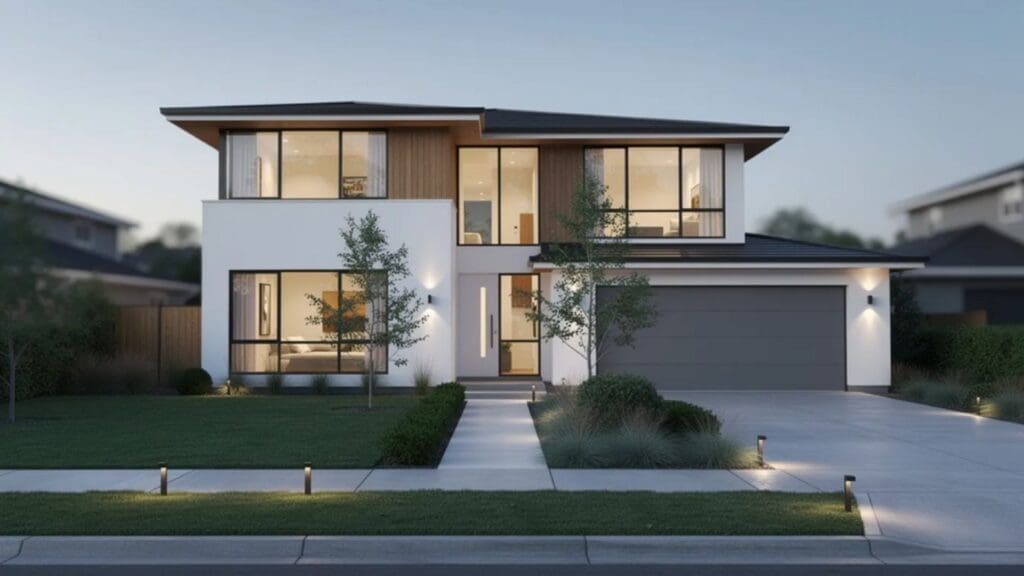
Energy-efficient windows are more than a comfort upgrade; they can influence long-term costs, daily livability, and buyer perception. Homeowners often consider them for better insulation, reduced noise, and improved indoor temperature control. When chosen and installed correctly, they also add a modern, well-maintained feel to the home. Their value comes from both performance and market appeal. In this blog, we’ll explain how energy-efficient windows impact resale value, what features buyers look for, and how the right window upgrade can improve comfort while delivering a strong return on investment over time.
Key Takeaways
- Energy-efficient replacement windows typically recoup around 65–80% of their cost at resale, making them one of the stronger home improvement investments according to recent Cost vs. Value studies.
- Buyers increasingly prioritize Energy Star-rated windows with double or triple-pane glass for lower utility bills and improved comfort, which can translate into stronger offers and faster sales.
- The value impact depends on your current window age and condition, climate zone, and neighborhood price point. Upgrades in drafty, older homes tend to see the biggest return.
- Beyond appraised value, energy-efficient windows add perceived value through quieter interiors, better security, and modern aesthetics that help listings stand out to potential buyers.
- In hot climates like the Houston area, cooling costs savings and storm resistance make efficient windows an especially smart investment.
Do Energy-Efficient Windows Really Boost Home Value?
Here’s the straight answer: yes, energy-efficient windows do increase home value in most markets. Multiple national remodeling reports consistently show window replacement as a high-ROI project, with homeowners typically recovering around 65–80% of their investment when they sell. That makes new windows one of the better-performing home improvement projects you can take on.
But let’s be clear about what we mean by “energy-efficient windows.” We’re talking about double or triple-pane units with Low-E coatings, argon gas fills between the panes, and insulated frames. These aren’t just any new windows. They’re specifically designed to reduce heat transfer and keep your heating and cooling costs down. Single-pane replacements with basic aluminum windows won’t deliver the same results or the same value boost.
While windows alone don’t usually add dollar-for-dollar value to your home, they support a higher overall sale price, quicker time on market, and fewer repair concessions at closing. Think of it this way: many buyers walking through a 1980s home with original single-pane windows will mentally subtract thousands of dollars for the replacement they’ll need to do.
How Much Do Energy-Efficient Windows Increase Home Value?
No two houses or markets are identical, but there are reliable national averages that give you a solid idea of what to expect. The value windows add depends on several factors, including your location, existing windows, and what type of replacement you choose.
In colder regions like the Midwest and Northeast, or very hot climates like the Sun Belt and Gulf Coast, appraisers and buyers often assign more value to energy efficiency than in mild coastal areas, where your utility bills can swing by hundreds of dollars based on window quality, which matters to people shopping for homes.
The value increase often shows up in ways you might not expect. Rather than a simple “add $X to your appraised value” formula, you’ll likely see higher buyer offers, fewer price reductions during negotiation, and a faster sale. Homes with obvious efficiency upgrades simply spend less time sitting on the market.
Why Energy-Efficient Windows Add Value
The reasons energy-efficient windows support higher home values come down to three main factors: longevity, comfort, and lower operating costs. When buyers see new, high-quality windows, they’re seeing a home that’s been cared for, and a major future expense they won’t have to handle themselves.
Older windows, often 20 to 40 years old in many homes, may have warped window frames, failed seals, condensation between panes, and noticeable drafts. These issues signal deferred maintenance to buyers and make them wonder what else might need fixing. Swapping those failing single-pane or aluminum-framed windows for high-performance units modernizes the home’s envelope and gives buyers confidence that they’re getting a well-maintained property.
The following benefits are what buyers actually pay attention to, and what they’re willing to pay more for.
Improved Curb Appeal and Modern Appearance
Windows are one of the most visible features of any home, both from the street and in listing photos. Updated styles can immediately change how a home is perceived before a buyer even walks through the door.
Modern windows offer several visual upgrades over older units:
- Slimmer frames that maximize glass area
- Larger viewing spaces that let in more natural light
- Contemporary finish options like black or bronze exteriors
- Clean, uniform appearance across all openings
Better Energy Efficiency and Lower Utility Bills
Here’s a fact worth knowing: windows can account for 25–30% of residential heating and cooling energy use in a typical U.S. home, according to Department of Energy estimates. That’s a significant chunk of your energy bills walking right out (or in) through those old windows.
Upgrading to Energy Star-rated windows can cut annual heating and cooling costs by roughly 10–15% in most climates, and homeowners evaluating energy-efficient windows savings and sustainability often prioritize solar control features that reduce cooling demand. For homeowners replacing single-pane windows, annual energy savings typically range from $126 to $465, depending on your climate zone and energy prices. In hot climates like Houston, where cooling bills dominate, the savings can be particularly noticeable.
What makes these windows efficient? A few key features work together:
- Low-E coatings reflect heat while letting visible light through
- Gas fills (usually argon) between panes reduce heat transfer
- Insulated frames minimize drafts and condensation
- Tight seals prevent air leakage around the window
Buyers absolutely factor monthly utility savings into their budgets. When comparing two similar homes, one with 30-year-old single-pane windows and $300/month energy bills versus one with efficient windows and noticeably lower bills, the math speaks for itself. Lower expected costs justify a higher purchase price, and smart buyers know it.
Fewer Inspection Issues and Repair Concessions
Home inspections frequently turn up problems with older windows: failed seals, broken locks, wood rot, inoperable sashes, and visible condensation between panes. These issues aren’t just cosmetic; they can trigger lender requirements, safety concerns, and last-minute negotiations.
When an inspector flags drafty windows or notes that seals have failed, buyers often demand credits or replacements before closing. We’ve seen deals get held up for weeks over window issues. In some cases, sales fall through entirely when the cost and hassle seem too high.
New, energy-efficient windows remove this common sticking point. A home where all windows pass inspection easily moves smoothly from contract to closing, preserving the seller’s net proceeds and everyone’s peace of mind. While this benefit may not show as a line item on the appraisal, it protects your agreed sale price and prevents costly closing delays, and for homeowners planning broader upgrades, energy-efficient door upgrades can strengthen overall inspection results and buyer confidence even further.
Improved Security and Safety
Older windows may have loose frames, weak glass, or non-functioning locks that concern safety-conscious buyers. If a window doesn’t latch properly, or the glass seems like it would shatter with a solid push, that’s a problem.
Modern windows include several security features that older units simply don’t have:
- Multi-point locking systems
- Reinforced or laminated glass options
- Stronger frame materials that resist forced entry
- Impact-resistant options for storm-prone areas
For buyers with children, ground-floor bedrooms, or home offices, home security matters. Many will prefer a home with modern, secure windows, even at a higher price point. In the Houston area, hurricane-resistant windows are a major selling point that can also reduce insurance premiums.
While security alone may not dramatically alter appraised value, it increases perceived value and desirability in competitive markets. When buyers feel safe, they’re more likely to make strong offers.
Better Noise Control and Indoor Comfort
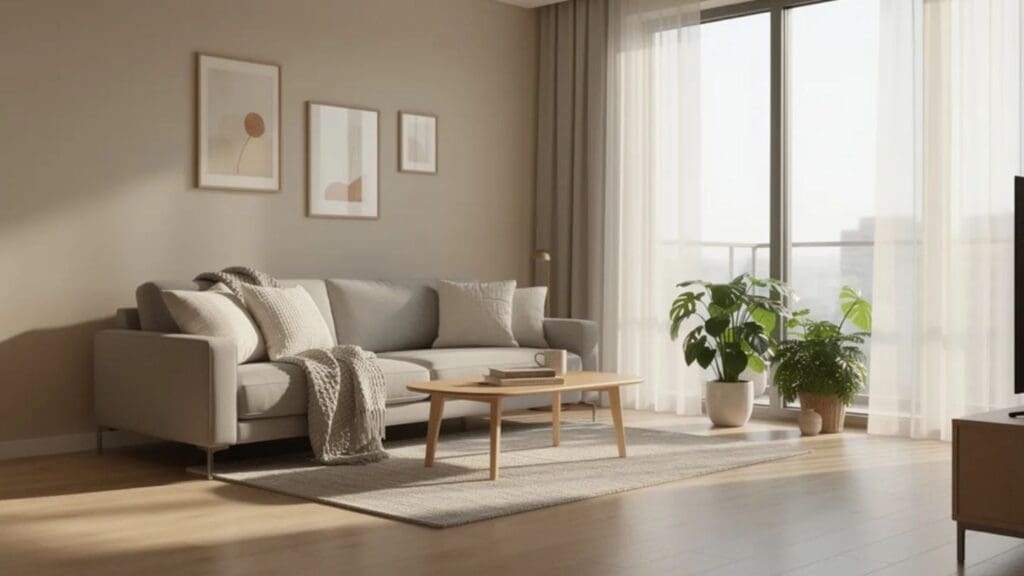
If you live near a busy street, airport flight path, or in an urban neighborhood, you know how much outside noise can affect daily life. Double and triple-pane energy-efficient windows significantly reduce external noise pollution from traffic, neighbors, construction, and aircraft.
Several features work together to create quieter interiors:
- Multiple panes with air gaps absorb sound waves
- Laminated glass options add mass to block noise
- Tight seals eliminate gaps where sound sneaks through
- Thicker glass packages reduce vibration transmission
The difference is immediately noticeable. A house on a busy street with original single-pane windows feels entirely different after windows are installed with insulated, Low-E double-pane units. Showings feel calmer. Conversations don’t compete with traffic. The home simply feels more premium.
Comfort factors like stable indoor temperatures, less glare, and more natural light are key selling points that agents frequently highlight in modern listings. Buyers notice when a home feels comfortable, even if they can’t articulate exactly why.
What Types of Energy-Efficient Windows Offer the Best Resale Value?
Not all window replacements deliver the same return. Material choice, glass package, and performance specs all matter, and understanding how to choose energy-efficient windows for your home helps buyers recognize the value of certified, climate-appropriate window upgrades. The best replacement windows for resale aren’t necessarily the most expensive; they’re the ones that balance cost, quality, and buyer recognition.
Mid-range, Energy Star-certified products often offer the best balance between initial cost and resale ROI. Ultra-cheap windows may not impress buyers or last as long, while overly custom luxury options may not recoup their premium in most neighborhoods. Buyers tend to recognize and trust common frame materials like vinyl, fiberglass, and clad wood, along with well-known efficiency labels.
Vinyl and Fiberglass Frames
Vinyl windows are among the most popular replacement windows for good reason: they offer relatively low cost, strong energy efficiency, and very low maintenance. You won’t need to paint them, and they hold up well in most climates.
Fiberglass frames generally cost more upfront, typically $100–$200 more per window, but offer superior durability, paintability, and dimensional stability. In higher-end markets or harsh climates with extreme temperature swings, fiberglass can be worth the premium.
Here’s how they compare:
| Feature | Vinyl Windows | Fiberglass Windows |
| Cost per window (installed) | $400 – $800 | $600 – $1,200 |
| Maintenance | Very low | Very low |
| Durability | Good (15-30 years) | Excellent (30+ years) |
| Paintable | No (color throughout) | Yes |
| ROI | 67–75% | 60–70% |
Both vinyl and fiberglass pair well with multi-pane, Low-E glass packages that buyers recognize as energy-efficient features. National data often shows vinyl windows delivering some of the strongest ROI percentages because their moderate total cost translates to a good resale value increase.
Traditional all-wood windows offer classic aesthetics, especially for historic or high-end homes, but require more upkeep and may not always provide the best ROI for typical resale situations.
Energy Star and Other Efficiency Certifications
The ENERGY STAR label is more than just a sticker; it means windows have been tested to meet specific U-factor and solar heat gain coefficient standards based on U.S. climate zones. Buyers and inspectors increasingly look for this label as a simple indicator of performance.
When evaluating windows, you may encounter these NFRC (National Fenestration Rating Council) metrics:
- U-factor: Measures non-solar heat transfer (lower is better)
- SHGC (Solar Heat Gain Coefficient): Measures how much solar radiation passes through
- VT (Visible Transmittance): Measures how much natural light enters
Energy Star-certified windows can sometimes qualify homeowners for federal tax credits or local utility rebates, adding indirect financial benefits to the purchase. These incentives change periodically, so check current programs when planning your project.
For the Houston area and other hot climates, look for windows with lower SHGC values that block more solar heat gain. In cold northern climates, a slightly higher SHGC can be beneficial for passive solar heating. Matching window specs to your climate maximizes both energy savings and buyer appeal.
When Does It Make Financial Sense to Install Energy-Efficient Windows?
Timing matters when it comes to window replacement. Whether you’re replacing windows right before selling or several years earlier affects who benefits most from the lower utility bills, you or the next owner.
If your existing windows are severely deteriorated, drafty, or non-functional, replacement is often necessary regardless of your sale timeline. Old windows with failed seals, broken hardware, or visible rot can lead to buyer price cuts or even failed financing. In these cases, upgrading to energy-efficient models is the logical choice since you’re already spending the money.
For homes with moderately aged but still-functional windows, sellers sometimes choose targeted replacements, especially when considering energy savings financing for window and door upgrades to spread costs while still improving efficiency and market appeal. Sellers sometimes choose targeted replacements, focusing on the front façade or the most visible problem windows, rather than a full-house project. This approach delivers curb appeal improvements and addresses obvious issues without the full investment.
Consider your timeline carefully:
- Planning to stay 5–10+ years: Full window replacement makes sense. You’ll enjoy the comfort, energy savings, and long-term value for years before recouping a portion at sale.
- Selling within 6–12 months: Weigh the cost carefully. You may not be there long enough to benefit from lower energy bills, but you’ll likely recoup 65–80% of your investment at sale while making your home more competitive.
- Selling soon with very old windows: Replacement is often worth it to avoid buyer objections, inspection issues, and negotiation headaches.
A consultation with a local real estate agent or appraiser can help you gauge how much value similar window upgrades have added to recent sales in your specific neighborhood.
Are Energy-Efficient Windows Worth It for Your Home?
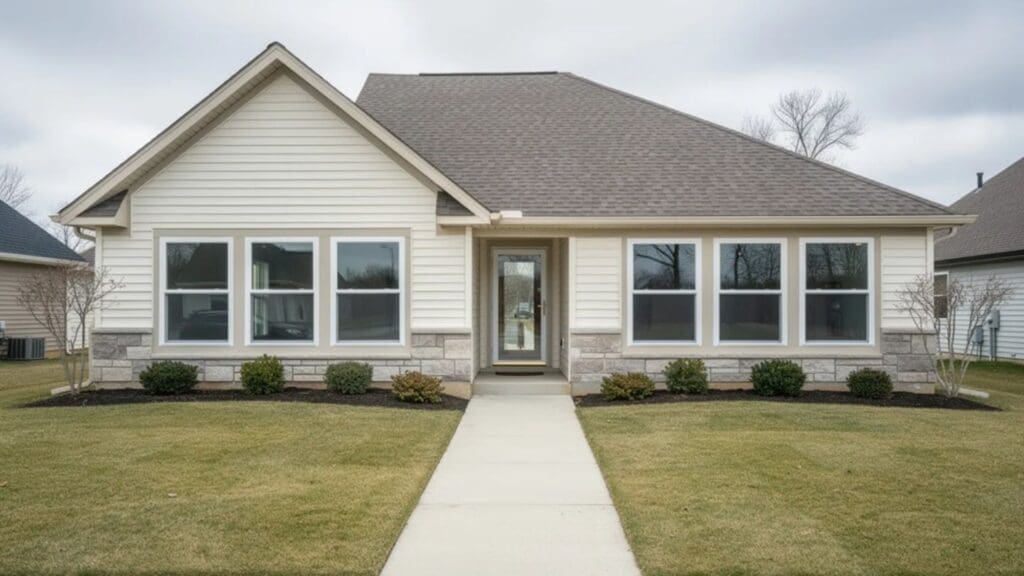
Energy-efficient windows generally do increase home value and buyer appeal, the data is clear on that. But the exact benefit you’ll see depends heavily on your current windows, local climate, and sale timeline. A Houston home with 30-year-old aluminum windows stands to gain much more than a newer home with relatively recent double-pane units.
When deciding whether windows are worth it for your situation, consider these key decision points: How old and deteriorated are your existing windows? How much less energy could you be using each month? What do comparable homes in your neighborhood typically have? And will you own the home long enough to enjoy the comfort and significant savings before you sell?
For most homeowners with older, drafty windows, particularly in climate-demanding areas like the Gulf Coast, the answer is usually yes, window upgrades make financial sense. The combination of energy savings, improved comfort, stronger home security, and resale value increase adds up to a solid investment, especially when factoring in how energy-efficient windows and doors benefit the planet through reduced energy consumption. Those who plan to sell soon should prioritize the most visible or problematic windows. Those staying longer can take on a full replacement knowing they’ll enjoy the benefits for years and still recoup most of the cost later.
As you evaluate window upgrades, consider them alongside other improvements like attic insulation, air sealing, and HVAC servicing. A coordinated approach to your home’s energy efficiency tells a compelling story to buyers and maximizes both your comfort now and your home’s resale value later.
Value That Shows Up in Comfort and Resale
Energy-efficient windows can increase home value by improving daily comfort, lowering utility costs, and strengthening buyer confidence in the home’s overall condition. While ROI depends on window quality, installation, and market expectations, upgrades often enhance curb appeal and create a clear energy-efficiency advantage that stands out during resale.
At Advanced Window Products, we provide energy-efficient window in Houston that delivers solutions that improve performance and resale appeal. We offer Hurricane windows, all replacement windows, and energy-efficient windows designed for long-term durability and comfort. Connect with us today to upgrade your home with windows that add lasting value and everyday efficiency.
Frequently Asked Questions
Do I have to replace every window with energy-efficient models to see a value increase?
No. You can see value gains by replacing the most visible, drafty, or damaged windows first, especially front-facing units and main living areas. These upgrades improve curb appeal, comfort, and buyer perception. Many homeowners phase replacements over time to balance impact with budget.
Are energy-efficient window inserts or storm windows a good alternative if I can’t afford full replacements?
Yes, high-quality storm windows or inserts can improve comfort and efficiency at a lower cost. They work well for historic homes where original windows must stay. However, buyers may see them as temporary solutions, so full replacements typically provide stronger resale appeal and value.
How long do energy-efficient windows typically last before they need to be replaced again?
Most energy-efficient windows last 20–30+ years, depending on material quality, installation, and climate. Fiberglass and premium vinyl often last longer. Buyers usually view windows under 10–15 years as valuable upgrades, while older windows may raise concerns about future replacement costs.
Will installing energy-efficient windows raise my property taxes?
Usually, window upgrades don’t significantly increase property taxes. Assessors focus more on major remodels, added square footage, or structural improvements. Since windows are considered component upgrades, changes are often minimal. Still, local rules vary, so checking with your county assessor is recommended if concerned.
What else should I upgrade along with Windows to maximize energy savings and value?
For best results, pair windows with air sealing, attic insulation, and HVAC servicing or upgrades. These improvements work together to reduce energy loss and boost comfort. Combined upgrades also strengthen resale appeal by creating a clear “energy-efficient home” story that buyers notice and value.