
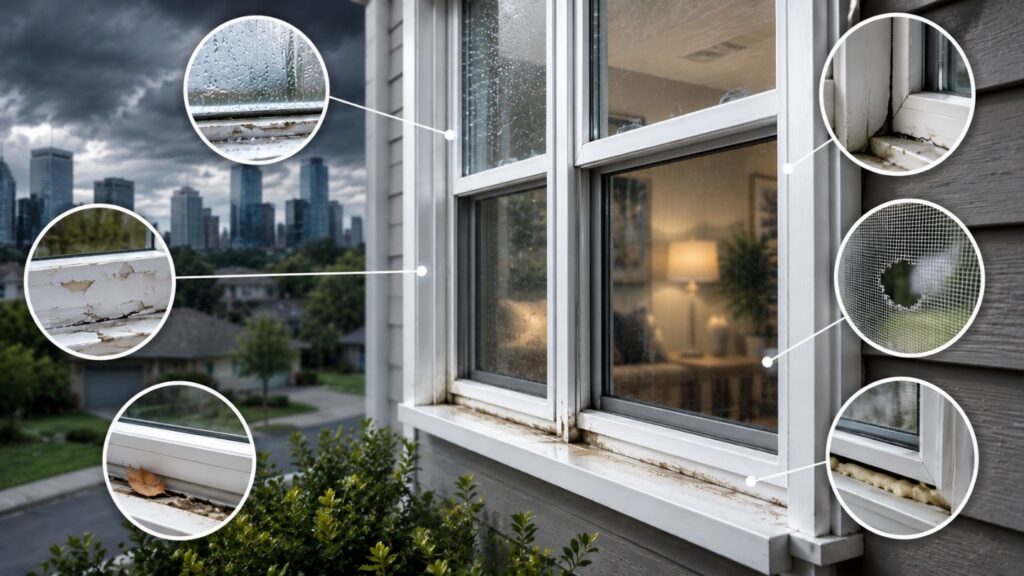
Houston’s punishing combination of 100°F+ summers, relentless humidity, and hurricane threats creates the perfect storm for window failure. If your energy bills are significantly higher than they were last year, it may indicate that your windows are inefficient and need replacement. Beyond rising energy costs, compromised windows invite water damage, mold growth, and dangerous structural vulnerabilities that put your family at risk during Texas storms. This blog covers the most dangerous warning signs Houston homeowners must address before minor issues become major disasters.
Key Takeaways
- Rising cooling costs during Houston summers often signal failing window seals and lost insulation value
- Foggy glass between window panes is a sign of failed seals, indicating that the window is no longer functioning as an insulator and may need replacement
- If your windows are difficult to open or close, it may be a sign of warping or deterioration, suggesting that they should be replaced for safety and functionality
- Windows showing storm damage require immediate attention before hurricane season begins
- Plan replacement windows with a 4-6 week manufacturing lead time to ensure installation before peak storm months
Energy Efficiency Warning Signs
Old, inefficient windows allow conditioned air to escape and hot Texas heat to pour in, forcing HVAC systems to work harder and longer, leading to higher energy bills year-round. Windows account for 25-30% of residential heating and cooling energy use, making them a critical factor in your home’s energy performance.
Sudden spikes in cooling costs during Houston summers serve as the most measurable warning sign. When window seals fail, insulating gases like argon escape from glass panes, dramatically increasing heat transfer. Many homeowners report energy bills climbing 20-30% when multiple windows experience seal failure.
Drafts around closed windows and uneven temperatures between rooms indicate air leaks compromising your home’s envelope. A simple test: hold a lit candle near the window frames on a windy day. If the flame flickers, air is entering. Rooms with southern and western exposures that feel significantly hotter than others suggest your current windows no longer block solar heat gain effectively.
Single-pane windows and early double-pane windows without low-e glass simply cannot handle Houston’s extreme heat. Modern windows with double pane vs triple pane windows in Houston’s climate significantly reduce heat transfer, keeping your home cooler in summer and warmer in winter.
How Houston’s Climate Amplifies These Issues
Houston’s local climate creates unique stress on windows that accelerates deterioration. Daily temperature swings cause “solar pumping”, glass heats and expands during scorching afternoons, then contracts at night. This constant cycling fatigues seals, particularly on south and west-facing windows that absorb maximum sun exposure.
The constant humidity in Houston can lead to window frame deterioration, making it crucial for homeowners to choose materials that resist moisture damage. Humidity levels regularly exceeding 80% accelerate wood rot, cause vinyl warping, and force moisture through compromised seals into insulated glass units. High humidity and moisture from the coastal climate lead to rapid mold growth and potential water damage around window frames and sills.
Houston’s clay soil expands when wet and shrinks during droughts, causing significant structural stress that can shift window frames out of alignment. This combination of heat cycling, moisture intrusion, and foundation movement means windows in the Houston area face challenges that windows in other regions simply don’t experience.
Structural and Safety Warning Signs
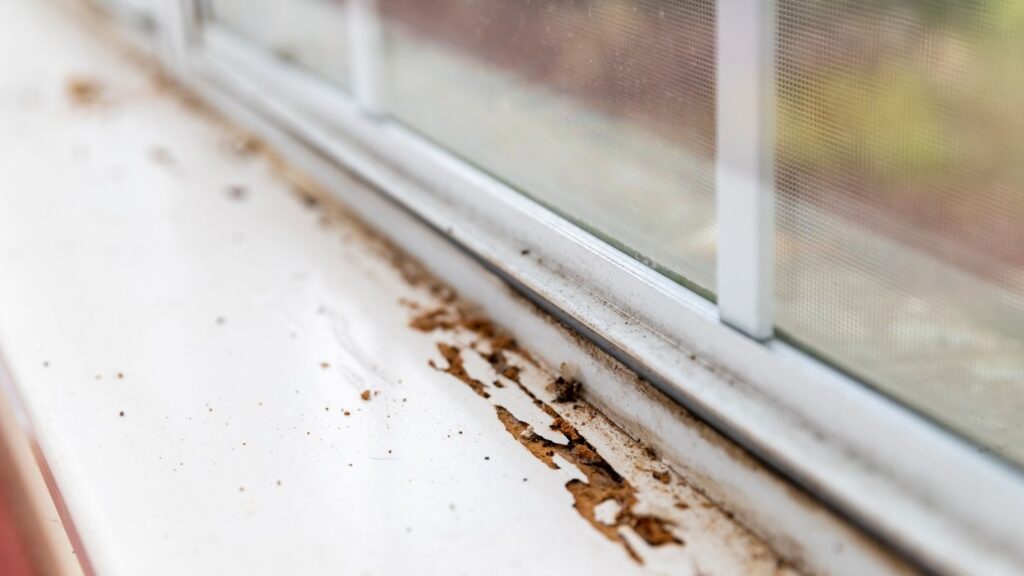
Windows that stick, won’t open smoothly, or refuse to stay open indicate serious structural concerns. If your windows are difficult to open or close, it may be a sign of warping or deterioration, suggesting that they should be replaced for safety and functionality. Creative uses for windows beyond the basics can make operational problems a genuine safety hazard.
Visible rot, warping, or soft spots in window frames demand immediate attention. Wood windows are particularly vulnerable to Houston’s humidity, developing rot that spreads rapidly once established. Even vinyl frames can buckle and warp under intense UV exposure when quality materials weren’t used during original installation.
Persistent water stains, peeling paint, and bubbling drywall are evidence of water intrusion and potential structural damage. Water leaks around window sills indicate failed weatherstripping, deteriorated caulking, or compromised frame integrity. Left unaddressed, this moisture penetrates wall cavities, damages insulation, and creates conditions for mold growth.
Signs of potential foundation failure include cracks in brick or drywall, sticking doors and windows, and uneven floors. When foundation movement affects window operation, the problem extends beyond the windows themselves and may require a comprehensive assessment.
Common Mistakes When Ignoring These Signs
Delaying window replacement allows minor issues to escalate into major structural problems. Water infiltration that starts as occasional condensation can become rotted framing, damaged drywall, and extensive mold remediation costs. What might have been a straightforward window installation becomes a comprehensive repair involving the surrounding wall structure.
Many homeowners attempt temporary fixes, adding weatherstripping, re-caulking, or using draft stoppers. In Houston’s weather, these solutions typically fail within months. The underlying problems continue worsening while homeowners develop false confidence that issues are resolved.
Choosing a window contractor based primarily on price can lead to poor installation, which can ruin even the highest-quality windows and create long-term problems. Inexperienced installers may rush through critical steps or lack the knowledge to handle challenging installation conditions properly, leading to air leaks, water infiltration, and operational problems that worsen over time.
Storm Readiness Warning Signs
Houston homeowners’ guide to stormproofing with windows and doors to protect homes from strong winds and flying debris during storms, which are common in the region. Windows that failed previous storm tests, showing cracks, loose glazing beads, or bowing during high winds, require replacement before the next hurricane season.
Non-impact windows cannot provide adequate protection during tropical storms. When standard glass breaks from wind-borne debris, internal pressure changes can lift roofs and cause catastrophic structural failure. Houston’s local building codes require windows to meet minimum design pressure ratings (often DP-50) for new installations, ensuring your home’s windows can withstand expected wind loads.
Signs that windows won’t withstand flying debris include:
- Visible cracks or chips in glass from previous storms
- Missing or degraded exterior caulking
- Loose glazing beads or visible gaps between glass and frame
- Water leakage during heavy wind-driven rain
Hurricane season begins June 1, and custom impact-resistant replacement windows require 4-6 weeks of manufacturing time plus installation scheduling. Waiting until late spring often means unavailable lead times or a rushed installation process. Homeowners observing warning signs in early spring must act quickly to ensure added protection before storm season.
Indoor Comfort and Air Quality Warning Signs
Foggy glass between window panes is a sign of failed seals, indicating that the window is no longer functioning as an insulator and may need replacement. This condensation cannot be wiped away because moisture has entered the sealed space between panes. Once seals fail, insulating gas escapes, desiccants saturate, and windows lose 40-60% of their insulating value.
Excessive outside noise penetrating your home affects sleep, concentration, and overall quality of life. Standard single-pane windows provide minimal sound transmission class (STC) ratings of around 26-28. Impact-rated windows with laminated glass achieve STC ratings of 35-40, making your home approximately 30% quieter and dramatically improving comfort for Houston homeowners near busy streets or airports.
High energy bills combined with humidity control problems often trace back to compromised windows. Failed seals and deteriorated weatherstripping allow humid outdoor air infiltration, increasing indoor moisture levels. Musty odors indicate hidden mold growth, often linked to moisture problems within the home that start at window perimeters.
In Houston’s hot and humid climate, windows must be designed to withstand high temperatures and moisture to maintain energy efficiency and comfort. How smart windows are revolutionizing home automation can significantly impact summer cooling bills while improving interior comfort, often offsetting higher initial costs within a few years.
Protect Your Home With Timely Window Upgrades
Recognizing critical window warning signs early can help homeowners avoid rising energy costs, moisture intrusion, reduced comfort, and structural damage. From drafts and condensation to difficult operation and visible frame deterioration, addressing these issues promptly improves home efficiency, safety, and long-term property value while helping maintain reliable indoor comfort throughout Houston’s changing weather conditions.
Advanced Window Products is a trusted window company in Houston dedicated to helping homeowners improve comfort, protection, and energy efficiency with high-quality window solutions. From durable hurricane windows and professional window installation to energy-efficient windows and the advanced 1800 series, we provide customized products designed for long-lasting performance and reliability. Contact us today to explore window solutions tailored to your home’s specific needs and protection goals.
Frequently Asked Questions
How long does window replacement take from order to installation?
Custom-sized replacement windows, especially impact-rated configurations, typically require 4-6 weeks of manufacturing time before installation begins. Lead times can extend during peak demand periods before hurricane season. Plan your upgrade accordingly to ensure installation is completed before June.
What energy savings can I expect with new hurricane impact-resistant windows?
New windows with laminated glass, low-e glass coatings, and quality materials can lower cooling energy costs by 10-25%, depending on how many windows you replace and their orientation. EnergyStar estimates utility savings of $75-$160 per window annually in Houston’s local climate, often offsetting higher initial investment within a few years.
Which warning signs require immediate replacement versus planned replacement?
Water leaks causing structural damage, windows that won’t open for emergency egress, and impact glass showing cracks before hurricane season require immediate attention. Drafts, rising energy costs affecting fewer windows, or noise reduction desires allow for planned replacement within your budget timeline.
What do window warranties typically cover?
Professional installation often includes warranties or guarantees on the work performed, providing homeowners with peace of mind that any post-installation issues can be addressed without additional costs. Manufacturer warranties typically cover seal failure for 10-25 years, glass integrity, and frame defects. However, most warranties exclude damage from major storms, improper installation, or neglected maintenance.
Are financing options available for window replacement in Houston?
Many window companies offer financing programs, sometimes structured around projected energy savings. Some homeowners also qualify for insurance premium reductions after installing impact-rated windows, and federal or state incentives for energy-efficient upgrades may apply, depending on product certifications.
How much noise reduction can new windows provide near busy Houston streets?
Impact windows with laminated glass and acoustic interlayers achieve noise reduction of 25-35 decibels compared to standard single-pane windows. A 10-point STC increase roughly halves perceived loudness, meaning traffic noise drops from disruptive to barely noticeable, dramatically improving sleep and daily comfort.