
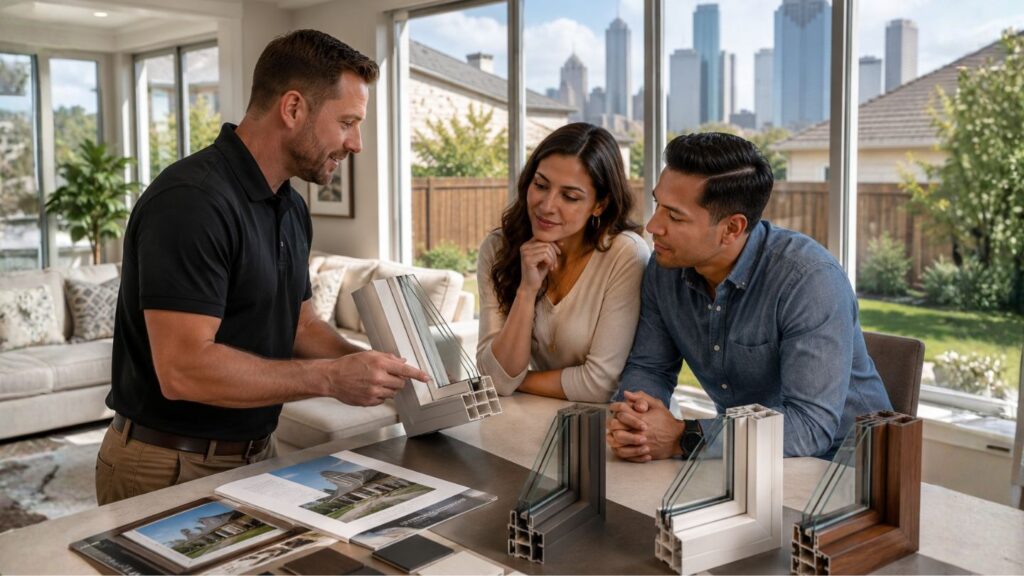
Houston homeowners dealing with aging, inefficient windows know the stakes are high – extreme summer heat, relentless humidity, and the ever-present threat of hurricanes mean your windows need to do far more than just let in light. Choosing the right replacement window company in Houston is one of the most important home improvement decisions you can make, and the wrong choice can cost you thousands in wasted energy, storm damage, or poor workmanship. This blog walks you through every factor you should evaluate – from company credentials and product quality to installation timelines and contract details – so you can confidently invest in new windows that protect your house, lower your energy bills, and last for decades.
Key Takeaways
- Verify company licensing, insurance, and Better Business Bureau ratings before hiring any window replacement contractor.
- Prioritize companies offering hurricane impact-resistant windows specifically engineered for Houston’s climate.
- Compare installation warranties, product quality, and manufacturing timelines across at least three providers.
- Request multiple detailed quotes and check recent customer reviews – online reviews can help gauge a company’s reputation and customer satisfaction.
- Ensure the company serves your specific Houston-area neighborhood and understands local building codes.
Research Company Credentials and Local Experience
Before you sign a contract or schedule a free in-home estimate, dig into the company’s credentials. Texas does not require a statewide general contractor license, which means the burden falls on you to verify that any installer working on your house is properly registered with the City of Houston’s permitting authority, carries adequate insurance, and has a documented track record, regardless of the best time of year to schedule window installation for your project.
Licensing and Insurance
Companies should carry General Liability Insurance and Worker’s Compensation. Ask for proof of both. In Houston, contractors who pull permits must register with the city, provide evidence of insurance, and designate a qualified license holder. If a company cannot produce these documents on request, walk away.
Better Business Bureau and Complaint History
Checking a company’s BBB rating is a practical first step. Look beyond the letter grade and examine the nature and resolution of complaints over the past three years. Focus on complaints related to structural defects like water infiltration, incorrect sizing, or non-compliance with Houston building codes, as these are the most costly to fix.
Local Experience Matters
Houston’s climate demands specialized knowledge. A company with deep local experience understands that Low-E coatings and solar heat gain coefficient (SHGC) ratings below approximately 0.25 are critical for sun-facing windows in this market. They also know which wind zones apply to Harris County, Galveston, and surrounding areas, and whether your home requires large missile impact testing under ASTM E1996. Skilled professionals working in the Houston area bring this expertise to every project – national companies shipping in out-of-state crews often do not.
Avoiding Scams
Verify legitimacy by asking to see completed local projects, checking for a physical business address in Houston, TX, and confirming that the company will pull required permits. Be wary of any installer who promises “hurricane-proof” windows – that term is misleading. Reputable companies describe their products as “impact-resistant” and provide test certifications to back the claim.
Evaluate Product Quality and Energy Efficiency Options
The windows themselves matter just as much as the company installing them. Houston homeowners should evaluate products based on energy efficiency, storm resistance, frame material, and sizing flexibility.
Energy Star Certification and NFRC Ratings
Energy Star-certified windows are independently tested and verified to meet strict performance thresholds set in collaboration with the Environmental Protection Agency. Key metrics include U-factor (measuring heat transfer – lower is better) and SHGC (measuring solar heat gain). In Houston’s hot climate, look for SHGC values at or below 0.25 for maximum cooling savings. Energy-efficient windows can save homeowners between $101 and $583 annually, and old windows can waste about 30% of heating and cooling energy – making this upgrade one of the most impactful you can make for long-term savings.
Double-pane windows filled with argon gas enhance energy efficiency significantly, and Low-E coatings improve insulation and reduce UV damage to furniture, flooring, and artwork. Triple-pane windows offer even greater performance, though they come at a higher price point. For homeowners in an older home with original windows, the energy savings from upgrading to energy-efficient windows can be substantial enough to offset the investment within several years. Some energy-efficient options may also qualify for federal tax credits, further improving the return on your project.
Hurricane Impact-Resistant Windows
Hurricane impact-resistant windows are engineered to withstand strong hurricane winds and protect against flying debris. These windows are built with impact-resistant glass – typically laminated with PVB (polyvinyl butyral) or SGP (SentryGlas) interlayers that hold the glass together even when cracked. They must conform to ASTM E1886 and ASTM E1996 standards, which define windborne debris impact testing and cyclic pressure performance. The Texas Department of Insurance (TDI) mandates labeling that shows model, design pressure rating, and missile level criteria.
Hurricane impact-resistant windows are more expensive than standard windows by 20 to 40 percent, with installed costs typically ranging from $800 to $2,500+ per window, depending on frame material, glass package, and window type. However, installing these windows may increase your home’s resale value and can trigger insurance discounts or wind-mitigation credits from carriers in Harris County.
Frame Materials for Houston’s Climate
Durable frames like vinyl and fiberglass are necessary for Houston’s weather. Vinyl frames resist moisture, won’t rot or corrode, require minimal maintenance, and are excellent insulators – and vinyl-frame windows are typically the least expensive option available. For high wind resistance, vinyl frames are often reinforced with internal steel subframes.
Aluminum frames offer strength and slim profiles suitable for larger openings like picture windows or bay windows, but they conduct heat unless equipped with thermal breaks. Wood frame windows are often the most expensive type of window and can be susceptible to rot in Houston’s humidity unless meticulously sealed and maintained. Composite frames replicate wood’s look while providing better stability and moisture resistance, making them a strong middle-ground option.
Custom Sizing vs. Standard
Many Houston homes – especially those built in the 1960s through 1990s – have non-standard window sizes that require custom manufacturing. Be prepared: custom vinyl windows and non-stock sizes typically take 4–6 weeks to manufacture. Stock window sizes deliver faster (2–3 weeks), but may not match your existing openings without modification.
Common Mistakes to Avoid When Selecting Products
- Choosing the cheapest option without considering warranty coverage. Warranties can vary significantly between different window manufacturers. A rock-bottom price often means a limited or vague warranty that won’t cover the issues most likely to arise.
- Accepting vague “storm-rated” claims. Avoid companies that promise hurricane “proof” windows rather than clearly stating their products are impact-resistant and providing ASTM E1886/E1996 test certifications or Miami-Dade NOA documentation.
- Ignoring noise reduction. Impact-resistant laminated glass and tighter sealing can reduce outside noise by 30–40%, a meaningful benefit for homeowners near busy Houston streets, highways, or commercial corridors. Don’t overlook this when comparing energy-efficient windows to standard options.
- Expecting same-week delivery for custom products. Specialty window sizes, non-standard colors, or configurations like casement windows, awning windows, or bay windows require manufacturing lead times. Awning windows are hinged at the top and open outward, and along with other specialty styles, they typically require custom fabrication.
Compare Installation Services and Project Timelines
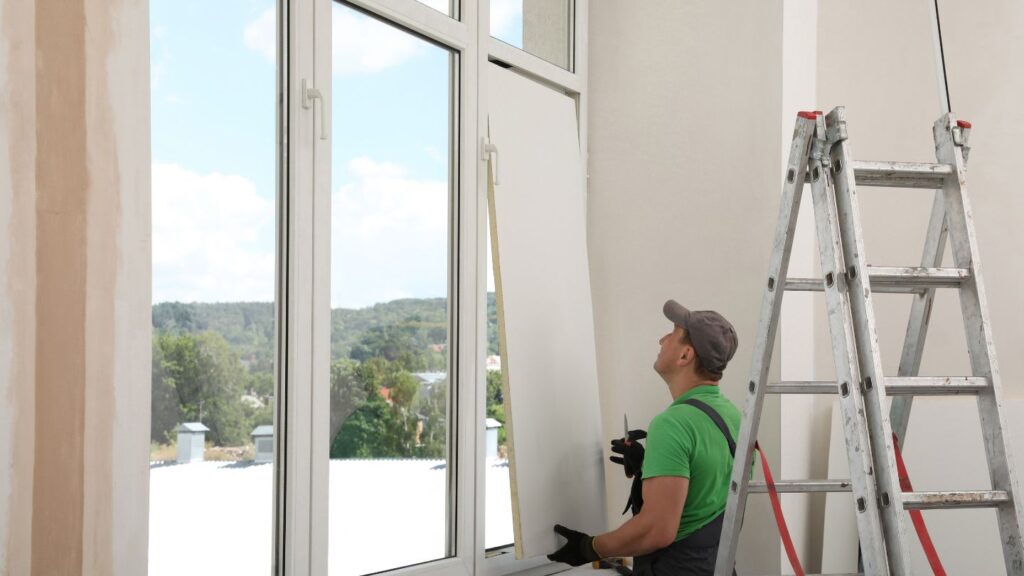
Quality installation is crucial for ensuring windows function effectively. Even the best name-brand windows will fail prematurely if installed incorrectly – proper installation prevents air and moisture infiltration in humid climates like Houston’s.
Manufacturing and Lead Times
For custom impact-resistant vinyl windows, expect approximately 4–6 weeks of manufacturing time after measurements are finalized. Stock vinyl replacement windows may arrive in 2–3 weeks. Specialty products – fiberglass, wood, large configurations, or custom colors – can take 6–10 weeks. Plan accordingly, especially if you’re preparing for hurricane season, and use these ranges to benchmark the typical time it takes to replace a window.
What to Expect During Installation
The installation process typically involves removing the old window (either sash-only for insert replacement or full frame removal), inspecting the rough opening for damage, shimming and leveling the new window frame, applying flashing and insulation foam, sealing with caulk, and replacing trim. Understanding these steps also helps you avoid common window installation mistakes that can lead to air leaks, moisture issues, or poor performance. The average installation time is 30 minutes per window, meaning a typical Houston home replacing 8–12 windows can expect 1–2 days of on-site work. The installation team should handle all cleanup and debris removal.
Product Warranties vs. Installation Warranties
Understand the distinction. Product warranties usually cover the window frame, glass seal failure (fogging between panes), and hardware – window companies often provide lifetime warranties on their products.
Installation warranties cover the workmanship: water sealing, flashing, caulking integrity, and air leaks. These warranties are often shorter (1–5 years) and may contain exclusions. Read the contract carefully to understand what triggers a warranty claim and what voids coverage.
Financing and Payment Terms
Most window installation companies offer free in-home consultations, and many provide attractive financing. 0% interest financing is available for window projects through many providers, and financing options allow monthly payments for window installations. Financing options are subject to approved credit, so inquire about terms early in the process.
Window installation costs in Houston range from $250 to $1,200 per window, depending on type, size, and complexity. Energy-efficient windows may have higher upfront costs, but the long-term savings on energy bills and potential insurance premium reductions can justify the investment. For a full-home project (8–15 windows), Houston homeowners should budget approximately $6,078 on average in 2026, with impact-resistant whole-home projects running $10,000–$30,000+, depending on scope.
Questions to Ask During In-Home Consultations
When a company sends an estimator to your house for a free estimate, come prepared with specific questions, similar to the ones outlined in questions to ask when hiring a Window Installer in Houston:
- What is the full timeline from measurement to completed installation?
- Will you pull all required permits, and who handles the inspection process?
- What is your installation warranty, and what does it specifically cover?
- Is the installation team composed of your own employees, or do you subcontract?
- What products are you recommending, and can you provide NFRC labels, ASTM test reports, and design pressure ratings?
- How do you handle the cleanup and disposal of the old window materials?
- Will you provide documentation for insurance wind-mitigation credits?
- What happens if the rough opening reveals hidden damage like rot or mold?
Get Multiple Quotes and Make Your Final Decision
Comparing multiple estimates helps evaluate frame materials and labor costs on an apples-to-apples basis. Request at least three detailed written quotes from different companies before committing.
What a Professional Quote Should Include
A thorough quote should break down the cost of every component: per-window product pricing (including frame material, glass type, interlayer, and hardware), labor, removal and disposal of old windows, permits, materials like flashing, caulk, and insulation, trim work, and cleanup. It should also clearly state the timeline – measurement date, order placement, expected manufacturing lead time, delivery date, and installation days. Warranty terms for both product and installation should be documented.
Double-hung windows are the most common type used in homes, and pricing for standard vinyl double-hung replacement windows typically runs $600–$850 installed. Single hung windows cost slightly less. Premium impact-resistant versions start around $1,500+ per window. Specialty styles like casement windows, picture windows, or bay windows will vary based on size and configuration.
Red Flags to Watch For
- Promises of extremely fast turnaround for custom windows (e.g., “installed next week”) – this likely means stock products being passed off as custom, or corners being cut.
- Vague or missing specifications: no SHGC, U-factor, impact rating, or window frame material listed in the quote means you don’t know what you’re buying.
- No mention of permits. Window replacement in Houston often requires code compliance documentation, especially for impact-resistant products in designated wind zones. Unpermitted work can void insurance and complicate resale.
- High-pressure sales tactics, “today only” pricing, or unusually low quotes without clear justification. If the price seems too good, it probably reflects inferior materials, poor workmanship, or hidden costs.
Negotiation and Contract Clarity
Confirm the quoted price includes all taxes, permits, debris removal, and trim replacement. Ask for itemized pricing on upgrade options – moving from standard double-pane to triple pane windows, adding argon gas fill, or selecting a custom color for vinyl frames. Ensure the contract specifies design pressure ratings, impact certifications, exact model numbers, and window sizes. Payment terms should ideally be stage-based: a deposit at order, with the balance due upon completed installation and your satisfaction. Avoid paying a large percentage before the product is delivered to your house.
Making the Best Choice for Long-Term Value
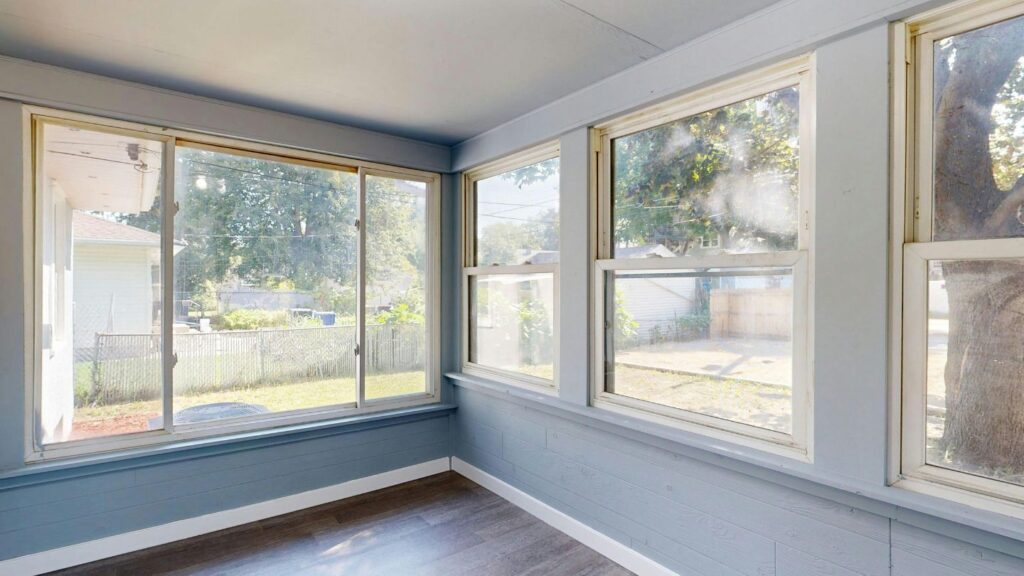
Choosing the right replacement window company requires careful consideration of experience, product quality, installation expertise, warranties, and customer satisfaction. Taking the time to evaluate these factors can help ensure a smooth process, lasting performance, and improved comfort, energy savings, and curb appeal for your Houston home.
Advanced Window Products is a trusted window company in Houston dedicated to providing high-quality solutions tailored to your home’s needs. Our services include hurricane windows, 1800-series windows, window installation, and energy-efficient windows designed for lasting performance and value. Contact us today to learn how we can help you upgrade your home with reliable products and expert craftsmanship.
Frequently Asked Questions
How long does the window replacement process typically take in Houston?
The total timeline from your initial in-home consultation to completed installation is typically 4–8 weeks for custom impact-resistant vinyl windows. Stock replacement windows may arrive sooner, but custom sizing, specialty glass packages, or specific window styles like bay windows or casement windows add manufacturing time. On installation day, the average installation time is 30 minutes per window, so a full-home project of 8–12 windows usually wraps up in 1–2 days.
What’s the difference between hurricane impact-resistant and standard windows?
Hurricane impact-resistant windows are built with laminated glass and reinforced frames designed to withstand strong hurricane winds and protect against flying debris. They must meet ASTM E1886 and ASTM E1996 testing standards. Standard windows – even double-pane energy-efficient models – do not offer this level of protection. Impact-resistant windows are more expensive than standard windows by 20 to 40 percent, but they may lower insurance premiums and increase your home’s resale value.
What questions should I ask during an in-home estimate?
Ask about the complete project timeline, whether the company pulls all required permits, what the installation warranty covers versus the product warranty, whether the installation team consists of company employees or subcontractors, and request detailed NFRC performance labels and impact test certifications for the recommended products. Also ask about cleanup, debris disposal, and whether they assist with insurance wind-mitigation documentation.
How do I verify a window company’s licensing and insurance?
Companies should carry General Liability Insurance and Worker’s Compensation. Ask for current certificates of insurance and verify the company’s registration with the City of Houston’s permitting authority. Check the Better Business Bureau for ratings and complaint history. Look at online reviews to help gauge reputation. If a company hesitates to provide documentation, consider it a serious red flag.
What warranty coverage should I expect from a quality window company?
Window companies often provide lifetime warranties on their products, covering defects in materials like the window frame, glass seal integrity, and hardware. Warranties can vary significantly between different window manufacturers, so read the fine print. Equally important is the installation warranty, which covers workmanship issues like air leaks, water infiltration, and failed caulking. Make sure both warranties are clearly spelled out in your contract with specific terms, durations, and exclusions.