
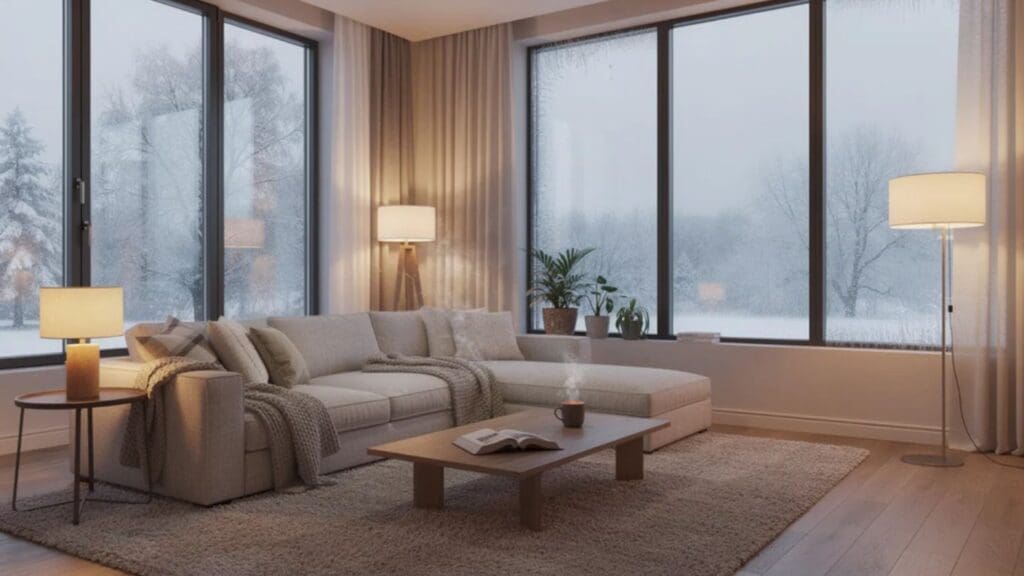
Energy-efficient windows play a major role in maintaining comfortable indoor temperatures throughout the year, especially in climates with extreme seasonal changes. By reducing heat transfer, blocking drafts, and stabilizing room temperatures, these advanced window systems help eliminate cold spots in winter and prevent overheating in summer. Modern technologies such as Low-E coatings, insulated frames, and multi-pane glazing create a powerful thermal barrier that keeps your home consistently comfortable while easing the workload on your HVAC system. In this blog, you’ll see when upgrades like vinyl frames or hurricane windows make sense for durability and noise control.
Key Takeaways
- Energy-efficient windows maintain consistent indoor temperatures year-round, reducing heating and cooling costs by up to 15% annually
- Advanced features like Low-E coatings, double or triple glazing, and insulated frames prevent drafts and temperature fluctuations during seasonal transitions
- Modern energy-efficient windows eliminate cold spots in winter and reduce solar heat gain in summer, creating balanced comfort throughout your home
How Energy-Efficient Windows Transform Seasonal Comfort
Energy-efficient windows work by controlling heat transfer through three primary mechanisms: conduction, convection, and radiation. Unlike standard double-pane windows or single-pane windows that act like thermal weak points in your home’s envelope, today’s high-performance windows create sophisticated barriers against unwanted temperature exchange.
Beyond comfort at home, energy-efficient windows and doors benefit the planet by reducing the amount of energy your house needs in every season. When less heat escapes in winter and less solar heat enters in summer, your HVAC system runs fewer hours, lowering overall energy demand and cutting your household’s carbon footprint without changing how you live day to day.
The science behind this transformation lies in advanced glazing technologies and enhanced insulation features. When outdoor temperatures plummet in winter, efficient windows minimize heat loss by maintaining warmer interior surface temperatures. During scorching summer months, they block unwanted solar heat while still allowing natural light to brighten your living spaces.
This thermal control creates remarkable temperature stability improvements compared to older window systems. Homeowners typically notice a reduction in temperature swings of 3-5 degrees throughout the day, with some reporting even greater consistency near windows where comfort was previously compromised. The result? Your HVAC system cycles less frequently, creating more comfortable living spaces with fewer hot and cold spots.
Winter Comfort: Keeping Warmth Inside During Cold Months
Winter presents unique comfort challenges that energy-efficient windows address through multiple mechanisms. Traditional windows allow substantial heat loss through conduction, convection, and radiation, creating cold window surfaces that radiate chill throughout nearby living spaces. Energy-efficient windows prevent this heat loss by incorporating sophisticated insulation technologies that keep warmth where it belongs—inside your home.
The most noticeable winter improvement comes from eliminating cold window surfaces and the drafts they create. While single-pane windows might have interior surface temperatures near freezing on cold nights, modern energy-efficient windows maintain surface temperatures much closer to room temperature. This means you can sit near windows without feeling that uncomfortable radiant chill that makes even well-heated rooms feel cold.
Proper sealing around frames prevents cold air infiltration that creates those annoying drafts homeowners often try to block with heavy window coverings. When windows are properly sealed and insulated, warm air stays inside instead of escaping, and cold air can’t sneak in to create uncomfortable cold spots near your home’s windows.
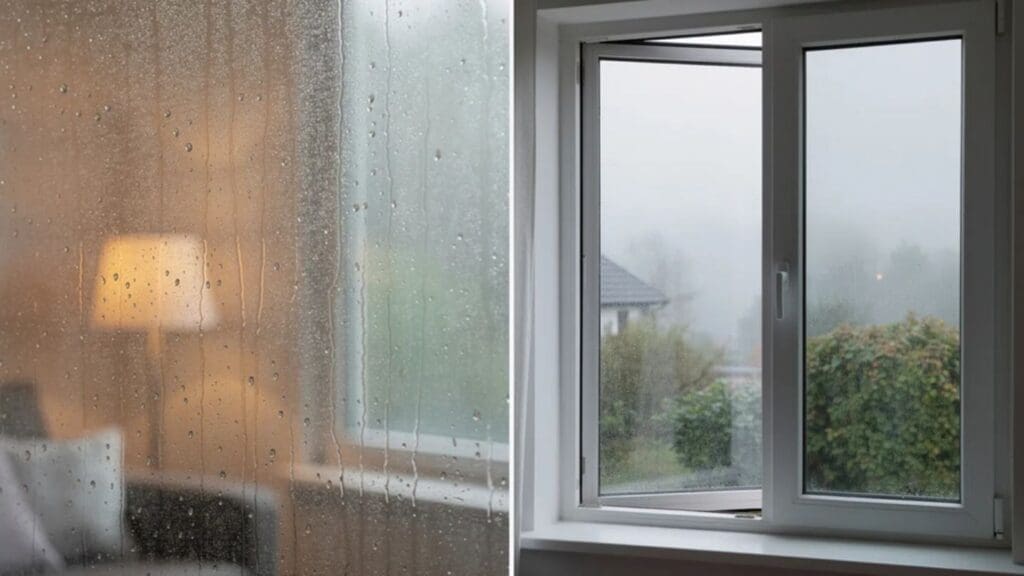
The comfort improvements extend beyond just feeling warmer. Eliminating condensation on window surfaces creates a healthier indoor environment and prevents the damp, clammy feeling that poorly performing windows can create. Many homeowners report being able to use previously uncomfortable seating areas near windows, expanding their usable living space during cold weather.
Cost analysis shows that winter heating costs can drop significantly when heat loss through windows is minimized. Homes with energy-efficient windows typically see 15-25% reductions in heating bills during December through March, with the money saved helping offset the initial investment while maintaining superior comfort.
Advanced Insulation Technologies for Winter
Multiple glazing layers create the foundation of winter comfort, with double or triple panes providing substantially enhanced insulation compared to standard options. The space between glass panes gets filled with argon or krypton gas, both of which have lower thermal conductivity than regular air. This gas fill creates an additional insulation barrier that minimizes heat transfer between indoor and outdoor environments.
Low-E coatings represent perhaps the most important advancement for winter comfort. These low-emissivity glass coatings reflect radiant heat back into your living spaces instead of allowing it to escape outdoors. The coating is so thin that it doesn’t affect the window’s appearance or natural light transmission, but it dramatically improves the window’s energy efficiency based on its ability to control heat transfer.
Triple pane glass takes winter performance even further, providing superior insulation that keeps interior surfaces remarkably warm even during extreme cold weather. The additional glass layer and gas-filled cavity create an insulation system that can achieve U-factor ratings as low as 0.15-0.20, compared to single-pane windows with U-factors around 1.0.
Thermal break technology in window frames prevents heat conduction through metal components that would otherwise create cold spots. This technology ensures the entire window system—not just the glass—contributes to maintaining comfortable indoor temperatures during cold weather.
Summer Comfort: Blocking Heat and Maintaining Cool Interiors
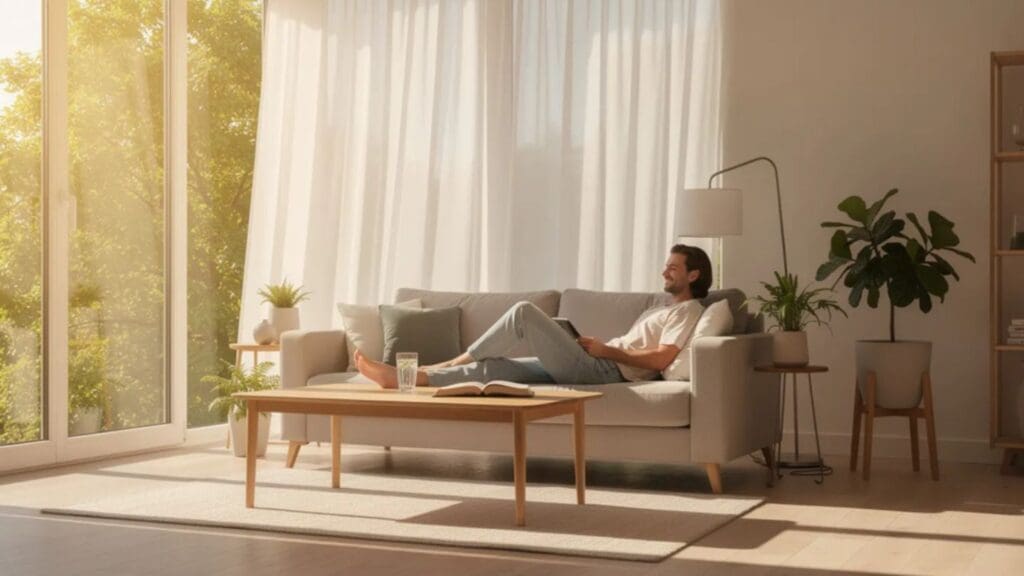
Summer comfort challenges are quite different from winter concerns, focusing on preventing unwanted heat gain rather than retaining warmth. The solar heat gain coefficient (SHGC) becomes the critical metric for summer performance, determining how much of the sun’s heat energy passes through your windows into your home’s interior.
Regular double-pane windows without proper coatings can transmit about 75% of solar heat into your home, turning sun-facing rooms into uncomfortable hot spots that strain your air conditioning system. Energy-efficient windows with appropriate Low-E coatings and spectrally selective glazing can reduce this solar heat gain substantially while still allowing beneficial natural light to brighten your living spaces.
The comfort improvements during the summer months are immediately noticeable. Rooms facing south and west—traditionally the most challenging exposures for cooling—remain significantly cooler and more comfortable. Air conditioning systems run less frequently and more efficiently, creating more even temperatures throughout the home instead of the hot and cool zones that plague homes with poor-performing windows.
Beyond temperature control, energy-efficient windows reduce glare and create more comfortable viewing conditions for reading, watching television, or working on computers. The consistent temperatures they maintain allow you to set your thermostat at slightly higher settings without sacrificing comfort, leading to meaningful cooling cost reductions during peak summer months.
Analysis of cooling costs shows that homeowners can expect 10-20% reductions in summer air conditioning expenses when upgrading to properly selected energy-efficient windows. This is particularly significant during June through September, when cooling costs typically peak, making the investment pay for itself more quickly in hot climates.
UV Protection and Glare Reduction
Low-E glass coatings provide an additional benefit by filtering harmful UV radiation while maintaining natural light levels. This protection prevents furniture, flooring, and artwork from fading due to sun exposure, preserving your home’s interior investments while maintaining comfort.
The UV protection extends to occupant comfort as well, reducing the skin exposure risks associated with sitting near unprotected windows during sunny periods. Many homeowners notice they can enjoy window-adjacent seating without the uncomfortable sensation of direct solar heat on their skin.
Glare reduction technologies built into energy-efficient windows improve comfort for activities requiring good visibility. Whether you’re reading, working on a computer, or watching television, reduced glare creates a more pleasant visual environment without requiring you to close blinds or window coverings during daylight hours.
For homes with extreme sun exposure—particularly large west-facing windows—tinted glass options can provide additional solar heat control while maintaining acceptable natural light levels. These specialized glazing systems allow homeowners to enjoy their views and daylight without compromising summer comfort.
Year-Round Temperature Stability Features
The U-factor rating provides the most comprehensive measure of a window’s ability to maintain consistent indoor temperatures regardless of outdoor conditions. This metric measures the window’s overall heat transfer rate, with lower numbers indicating better insulation performance. Energy-efficient windows typically achieve U-factors between 0.15 and 0.30, compared to 0.50 or higher for standard options.
Air leakage ratings determine how well windows prevent unwanted air exchange that can undermine comfort during any season. High-performance windows achieve air leakage rates of 0.1 cubic feet per minute per square foot or less, virtually eliminating drafts and maintaining stable indoor conditions.
Condensation resistance becomes particularly important during seasonal transitions when temperature and humidity levels fluctuate. Energy-efficient windows maintain interior surface temperatures above the dew point, preventing condensation formation that can compromise comfort and indoor air quality.
Multiple glazing layers create stable thermal barriers that perform consistently whether outdoor temperatures are at seasonal extremes or during mild transitional periods. This consistency means your comfort doesn’t depend on weather conditions—your windows maintain their insulating properties regardless of what’s happening outside.
Smart glass technologies represent the cutting edge of seasonal comfort control, automatically adjusting their properties based on outdoor conditions. While still emerging in residential applications, these systems can optimize solar heat gain and insulation properties throughout the year without manual intervention.
Frame Materials and Seasonal Performance
Vinyl frames offer excellent seasonal comfort performance due to their inherent insulation properties and resistance to thermal expansion and contraction. Unlike materials that conduct heat readily, vinyl frames remain closer to indoor temperatures year-round, contributing to overall window system comfort. Many homeowners choose vinyl because vinyl windows for energy-efficient homes combine strong insulation with durability in heat and humidity.
Fiberglass frames provide superior dimensional stability across temperature extremes, ensuring consistent operation and sealing performance regardless of seasonal temperature swings. This material doesn’t expand and contract significantly, maintaining tight seals that prevent air leakage and drafts throughout the year.
Choosing the Right Windows for Your Climate and Comfort Needs
Energy Star climate zone requirements provide essential guidance for selecting windows that optimize seasonal comfort in your specific location. These zones account for regional temperature patterns, solar intensity, and seasonal comfort priorities that vary dramatically across different geographical areas. Homeowners who want both comfort and long-term value can maximize savings with energy-efficient windows, which comes down to matching performance ratings to Houston’s mixed cooling-heavy climate.
In heating-dominated climates, prioritizing low U-factors becomes essential for winter comfort, while moderate solar heat gain coefficients on south-facing exposures can provide beneficial passive solar heating. Choosing energy-efficient windows for these regions typically means emphasizing insulation performance over solar control.
Cooling-dominated climates require the opposite emphasis: low SHGC ratings become critical for summer comfort, while moderate U-factors may be acceptable if solar heat gain is adequately controlled. Window selection in hot climates focuses on blocking unwanted solar heat while maintaining beneficial natural light.
Mixed climate zones require balancing both heating and cooling season needs, often leading to moderate specifications that perform adequately year-round rather than optimally in any single season. These climates benefit most from orientation-specific window selection that optimizes performance based on each exposure’s unique solar and thermal conditions.
Seasonal Comfort Features to Prioritize
For extreme cold climates, triple glazing with low U-factors becomes essential for maintaining winter comfort near windows. Warm-edge spacers and insulated frames prevent thermal bridging that could compromise comfort even with excellent glazing performance. These features work together to eliminate the cold spots and drafts that make window areas uncomfortable during severe winter weather. Knowing how to choose energy-efficient windows for your home often comes down to orientation and sun exposure.
Hot climate priorities shift to low SHGC ratings and spectrally selective Low-E coatings that block solar heat while preserving natural light. Thermal breaks in frames prevent heat conduction that could make window frames uncomfortably hot to touch during the summer months.
Universal comfort features benefit homes in all climate zones: quality seals that prevent air leakage, proper installation that ensures performance specifications are achieved in practice, and certified performance ratings that guarantee the windows meet their stated specifications. These fundamental features ensure comfort benefits regardless of specific climate challenges.
Upgrade options like between-glass blinds provide additional seasonal control without compromising window performance. These systems allow homeowners to adjust solar heat gain and privacy as needed while maintaining the air seal integrity that’s essential for draft prevention and energy efficiency.
Maximizing Seasonal Comfort Through Proper Installation
Professional installation ensures that energy-efficient windows deliver their promised seasonal comfort benefits in real-world conditions. Even the highest-performance windows can fail to provide expected comfort if installation compromises air sealing, insulation continuity, or structural integrity.
Proper sealing techniques around window frames prevent air leaks that would otherwise undermine both energy performance and comfort. These seals must account for seasonal expansion and contraction while maintaining long-term durability under varying weather conditions.
Enhanced insulation around window frames eliminates thermal bridging through wall systems that could create cold spots despite having excellent windows. This installation detail is particularly critical in high-performance homes where windows represent a smaller portion of overall heat loss.
Installation mistakes that compromise seasonal comfort include inadequate air sealing, improper insulation around frames, misalignment that prevents proper operation, and insufficient weatherproofing that allows water infiltration. These issues can negate much of the comfort benefit that quality windows would otherwise provide.
Timeline expectations for noticing comfort improvements are typically immediate for obvious issues like draft elimination, while more subtle temperature stability improvements become apparent over several weeks as homeowners experience the windows through different weather conditions. Most comfort benefits are fully realized within the first heating or cooling season after professional installation.
Maintenance Tips for Optimal Seasonal Performance
Seasonal inspection protocols help ensure energy-efficient windows continue delivering optimal comfort performance over their service life. Twice-yearly inspections—typically in spring and fall—can identify developing issues before they compromise comfort.
Cleaning Low-E coatings and specialized glass requires specific techniques that preserve their performance properties. Using appropriate cleaning solutions and avoiding abrasive materials helps maintain the energy efficiency and comfort benefits these coatings provide.
Weatherstrip maintenance and seal replacement become necessary over time as materials age and weather exposure takes its toll. Maintaining these seals ensures continued draft prevention and stable indoor temperatures that make energy-efficient windows worthwhile investments.
Window replacement considerations arise when declining seasonal performance indicates that repairs can no longer restore adequate comfort. Recognizing these signs early can help homeowners plan for upgrades before comfort problems become severe.
Complementary measures like weatherization and additional insulation can optimize window performance by addressing other sources of comfort problems. Energy-efficient windows work best as part of a comprehensive approach to home comfort that addresses the entire building envelope.
Troubleshooting Seasonal Comfort Issues
Condensation problems may indicate insufficient ventilation, excessive humidity, or temperature imbalances that require attention beyond just window performance. Identifying whether condensation issues stem from windows or other building performance problems guides appropriate solutions.
Drafts and air leaks that develop over time can often be addressed through weatherstrip replacement or seal renewal without requiring complete window replacement. Regular maintenance can extend the comfort performance of energy-efficient windows substantially.
Final Thoughts
Energy-efficient windows improve comfort in every season by reducing heat transfer, blocking drafts, balancing indoor temperatures, cutting glare, and lowering condensation. With features like Low-E coatings, gas-filled double or triple panes, and insulated frames, they help homes stay warmer in winter, cooler in summer, and more stable during spring and fall transitions—while easing HVAC strain and lowering energy costs.
At Advanced Window Products, we install and recommend energy-efficient windows in Houston that homeowners can rely on for long-term comfort and performance. From high-performance replacement windows for everyday efficiency to durable hurricane windows designed for coastal conditions, our solutions are built around your climate and home layout. With expert window installation, proper sealing, and orientation-matched glass options, you get consistent indoor comfort, stronger protection, and lasting value from your upgrade.
Frequently Asked Questions
How quickly will I notice improved seasonal comfort after installing energy-efficient windows?
Some benefits are immediate—draft reduction, less outside noise, and fewer hot/cold blasts near the glass. Better temperature stability usually shows up within a few days. The biggest “whole-house comfort” change (fewer cold spots, more even rooms) is most noticeable over the first full heating or cooling season.
What’s the difference between comfort improvements from double-pane vs. triple-pane windows?
Double-pane windows already give a big jump in comfort over older single-pane units. Triple-pane adds an extra layer of insulation, so rooms feel a bit more stable and the glass stays warmer in winter and cooler in summer. You’ll notice the difference most during extreme cold or heat.
Can energy-efficient windows help with humidity control during different seasons?
Yes. Because the inside glass stays warmer, you get less condensation in winter, which helps humidity feel more balanced. They support comfort, but pairing them with good ventilation or a dehumidifier/humidifier gives the best results.
Do I need different window specifications for rooms facing different directions?
Definitely, south-facing rooms often benefit from higher solar gain in cold climates, while west-facing windows usually need lower solar gain to stop afternoon overheating. North-facing windows prioritize insulation. East-facing is a middle case. Matching specs to direction boosts comfort.
How do energy-efficient windows perform during extreme weather events like heat waves or cold snaps?
They perform especially well in extremes. In heat waves, low solar-gain glass blocks incoming heat and keeps cooled air inside. In cold snaps, better insulation and warm-edge spacers keep glass warmer, reducing chill and helping HVAC work less.